
When people hang illuminated stars and angel figures around their homes and in their windows, and Santa Clauses (as they are called in the Anglophone world) or Nikolauses (as they are called in the Germanophone world) climb onto balconies, when decorated fir trees sparkle in shopping arcades and the delicious aroma of Christmas cookies fills the air everywhere, then […]
The History of Christmas Celebrations
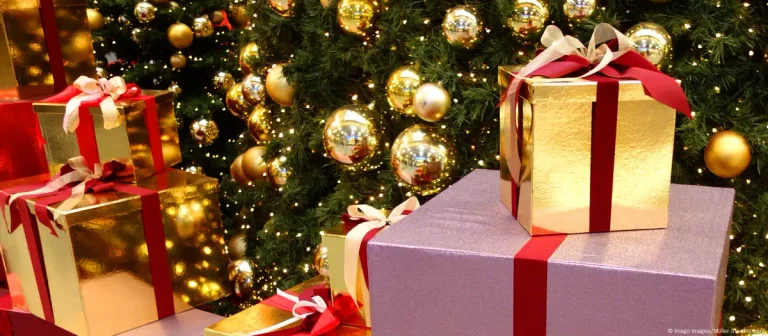
When people hang illuminated stars and angel figures around their homes and in their windows, and Santa Clauses (as they are called in the Anglophone world) or Nikolauses (as they are called in the Germanophone world) climb onto balconies, when decorated fir trees sparkle in shopping arcades and the delicious aroma of Christmas cookies fills the air everywhere, then it is clear to everyone: Christmas is approaching once again.
The Festival of Light
The day on which, according to Christian belief, the baby Jesus was born. The fact that Christ’s birth falls on December 24 has deep symbolism, says Evangelical pastor Hans Mörtter: “The 24th is the first day when the heavens begin to open. Pagan peoples also had festivals of light, so for thousands of years this date has been a very important day for all peoples. We are also dealing with a very symbolic story: darkness, that is, pain, suffering, and death, periodically descends upon people, and there is a way to overcome these things and a new morning. It becomes light again. It is very clear: we celebrate Christmas because we, as people of the West, believe that there is a radiant figure of Christ, who was born and lived to show us that peace and justice are possible on this earth, that light is possible in the darkness that so often surrounds us, if you watch the daily news.”
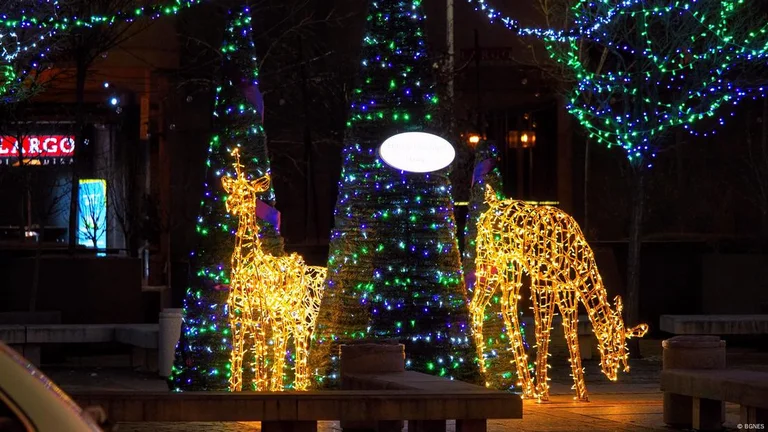
The Original Meaning of the Christmas Star
The story continues with the manger in Bethlehem, above which a Christmas star shone, showing the three wise men the way to Jesus’ crib. Although many people decorate their homes with stars during the Christmas season, the original meaning of the symbol is often forgotten: the search for divine light, Pastor Mörtter regrets.
In previous centuries, people decorated their rooms with only a few green branches; putting a festively decorated fir tree in the living room was an idea that occurred to craft guilds in the 16th century. They were the first to hang sweets on trees, around 1503. The Advent wreath with its four candles followed only in 1850: “And the Advent wreath is a symbol of anticipation. Advent—‘advenire’—means that something is coming to me, and what is coming is divine truth.”
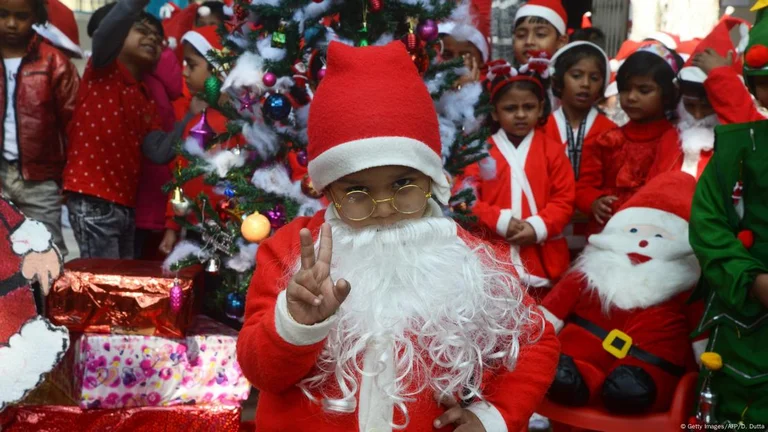
Nowadays, Pastor Mörtter knows from personal experience, children sometimes get confused about who puts their presents under the tree on Christmas Eve: Santa Claus, St. Nicholas, Father Christmas, or the Christ Child: “It is the Christ Child; it is a child, not the fat old man of Christmas. Whoever says that is talking nonsense; he is selling our culture and history. Sometimes this terrifies me. This is our consumer society, to put it bluntly: extremely impoverished and ridiculous.”
Pastor Mörtter takes a deep breath and continues: “For me, it is important to preserve the sense of mystery for children, and that starts with not using Father Christmas or Santa Claus indiscriminately. When it comes to Santa Claus or St. Nicholas, we are not talking about Coca-Cola’s Santa Claus, but about the Santa Claus of the fourth century, a bishop. He is a very old figure, a mystical figure, an exemplary figure; he advocated for hungry people and had brilliant ideas.”
Christmas is a Christian holiday, but for many people it degenerates into genuine consumer terror. The practice of giving endless presents spread after the Second World War and the economic miracle in Germany, Pastor Hans Mörtter explains. Previously, the idea of giving presents had a profound meaning: “It is Jesus who gives us a gift, who gives us the gift of his life. Children were given presents so that they would understand that life is a gift, and we celebrate the gift of life. That is why there are presents, but not excessively and in a way that puts parents under stress.
What a contradiction to the meaning of this holiday, the way we practice it. I believe that most people no longer know the meaning of gifts at all. Christmas, for me as a pastor, is simply an opportunity to remind people of these things.”/DW
Related
National
A person with victim status in the Hague trial dies; the Specialist Chambers allow a family member to continue the proceedings

National
Gërvalla visits the Office for Victim Protection and Assistance, urges reporting violence to 0800 11112

National
KPMM Asked to Account for Delays in Licensing Investors

National
Ireland-Kosovo Match, Irish Ambassador: Historic Moment, We Expect a Great Match

National
VITA calls for an investigation by the Prosecution, saying more than 650 samples have been taken since July without the results being provided
National
Çitaku after failure of Presidency meeting: We expect the law on the Specialist Chambers to be voted on this week
National
Indictment against three people for selling around two kilograms of heroin
National
Klestor Veseli calls for an institutional response after The Hague decision

National
He killed him three years ago after a property dispute in Podujeva; sentenced to 24 years in prison

National
Fadil Fazliu’s son: My father and the others should have been acquitted
National
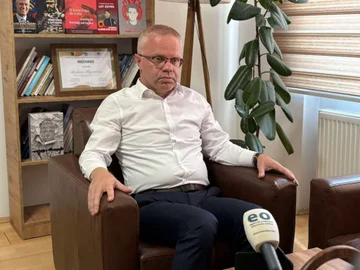
Supreme Court fully repeals the CEC Regulation, lawyer Ardian Bajraktari: No institution is above the law
National
Supreme Court annuls in its entirety the CEC Regulation on amendments to the internal organization and job classification





