
Two leading firms specializing in the analysis of cryptocurrency-related technology have announced that they possess strong evidence linking a cyberattack on the Binance platform, in which $6.3 billion was stolen, to a group backed by North Korea. TRM Labs and Chainalysis have identified with a high degree […]
Who are the hackers behind the biggest theft of all time?
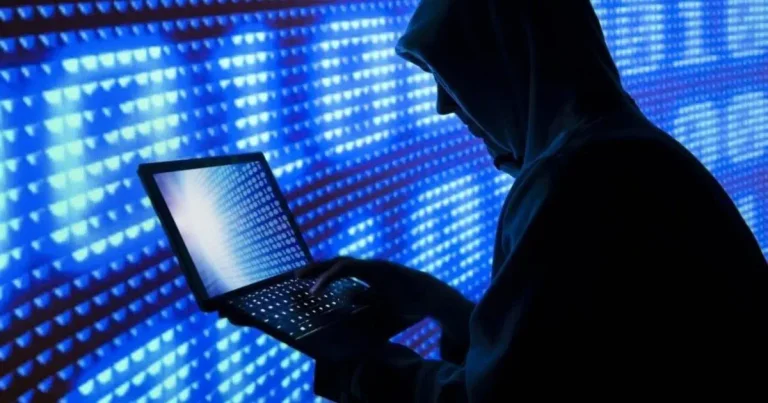
Two leading firms specializing in the analysis of cryptocurrency-related technology have announced that they possess strong evidence linking a cyberattack on the Binance platform, in which $6.3 billion was stolen, to a group backed by North Korea.
TRM Labs and Chainalysis have identified with a high degree of certainty the “Lazarus Group” (known as “TraderTraitor”), a North Korean hacking group, as the most likely perpetrators of the attack on the world’s largest cryptocurrency exchange, BBC reports.
This attack significantly surpasses the previous record: the 2025 theft from the Bybit platform, in which $1.5 billion was stolen.
This incident is the latest in a series of attacks linked to North Korea, one of the poorest countries in the world, where internet access is limited. Experts accuse Kim Jong Un’s government of relying on cybercrime to fund the state—an accusation Pyongyang has long denied.
Urologists have declared this medicine the best for prostatitis!
Beauty and Health
Dancing Got People In Trouble — Here’s When
Zestradar
8 Famous Women Who Looked At Hollywood’s Anti-Aging Rules And Laughed
Zestradar
North Korea recruits elite university students and directs them toward hacking groups overseen by intelligence services. Analyses by technology firms indicate that some of these operations are conducted in neighboring China.
North Korean hackers are also suspected of stealing $620 million worth of cryptocurrency during 2022.
In the latest theft, North Korean agents are accused of exploiting a specific authorization to reconfigure a Binance “hot wallet,” a wallet connected to the internet, so that it would automatically transfer funds to the attacker.
TRM suggests that the attacker may have gained access to Binance’s transaction-signing system as part of the scheme.
The company initially said that an engineer’s computer had been compromised, enabling unauthorized withdrawals, but later acknowledged that the attack had a wider scope.
In this case, it is highly likely that artificial intelligence was used to breach Binance’s systems.
Chainalysis stated that the attacker used money-laundering methods “of a kind we have never seen before.”
Related

Technology
GTA 6 is launching this week, here are the date and details you need to know

Technology
YouTube, Facebook or TikTok? Here’s which social network Americans use most
Technology
Microsoft says its services have fully recovered after a day-long global outage

Technology
Microsoft outage paralyzes businesses, schools and government institutions around the world
Technology
Microsoft Platforms Face a Global Outage

Technology
Robot Takes on Humans in Antarctica Marathon, but Gives Up After 3 Kilometers
Technology
Google will add a dictionary to Gboard that saves words corrected during voice dictation

Technology
WhatsApp introduces “Events Home,” making it easier to organize get-togethers

Technology
Honda puts revolutionary V3 engine into production
Technology
WhatsApp tests a new feature

Technology
DokuTech 13, Kurti: Technology, the most dynamic sector of the economy

Technology
Windows 11 Gets Significantly Faster





