
“What are we having for lunch?” The question seems harmless, but if you often get an indifferent response to it, this can cause problems in a relationship. It’s a familiar expression: “I don’t mind.” Although it may seem relaxed and like a sign that the person has no particular demands, such a response […]
A phrase many people often say can cause problems in a relationship
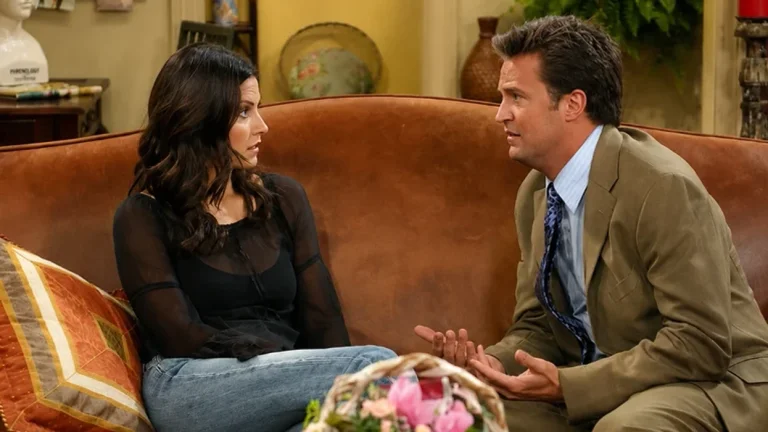
“What are we having for lunch?” The question seems harmless, but if you often get an indifferent response to it, this can cause problems in a relationship. It’s a familiar expression: “I don’t mind.”
Although it may seem relaxed and like a sign that the person has no particular demands, such a response often shifts the entire burden of the decision onto the partner, without offering any suggestions or participating in the conversation.
When “I don’t mind” becomes a problem
Couples therapist and marriage counselor Ness Cooper explains that sometimes this response can be more than just indecisiveness. In some cases, it is a behavioral pattern in which one person avoids taking responsibility, leaving the other person to make decisions over and over again.
This kind of dynamic can be problematic because, over time, one partner may feel as though they are managing the entire relationship on their own.
“For some couples, this can work, while for others it causes tension. A partner who doesn’t know what they want may have tried to achieve intimacy earlier in the relationship, but those efforts were ignored,” Cooper explains.
She warns that couples can sometimes fall into a “parent-child” relationship, in which one person makes most of the decisions while the other becomes passive.
“Any relationship can slip into this kind of dynamic from time to time, but the problem arises when it becomes the norm. Then partners may withdraw, become frustrated and even start to resent each other,” he says.
It’s not always a sign of a lack of interest
However, not every “I don’t mind” response is a sign of a problem. Some people don’t have strong opinions about small, everyday decisions or simply want to leave the choice to their partner.
The reasons for this behavior can vary. For some people, it’s a habit they developed while growing up, especially if they weren’t encouraged to express their wishes and opinions. For others, it may be a way to avoid conflict and a fear that their choices will cause dissatisfaction.
“Perhaps it also has to do with avoiding conflict. Culture and television often portray conflict in a relationship as something negative, even though it is a natural part of a relationship and can help partners understand each other better,” Cooper explains.
The problem arises when ongoing indecisiveness makes one person feel unimportant or as though their needs don’t matter.
How to respond if you really don’t mind
If you really don’t mind where you eat or what movie you watch, there’s a way to say so while still giving your partner room to speak.
Relationship therapist Annabelle Knight believes it’s more helpful to offer at least some guidance than to shut down the conversation completely.
“Having an opinion, even if it isn’t the final answer, is usually a more helpful and healthy way to make a decision,” he says.
Instead of a simple “I don’t mind,” you could say something like: “I’m open to anything, but maybe I’d prefer something relaxing” or “I’m fine with anything; you choose—I trust your choice.”
Such a response gives your partner something to build the conversation on, rather than making them take the entire decision on their own.
However, it’s perfectly normal to want someone else to make decisions, especially when it comes to small, everyday matters. The key is to communicate this clearly and not leave one person responsible for every choice in the relationship.
Related

Women
Does your hair get staticky and lose its shape in winter? This viral method may help
Women
Three Hair Colors That Add Years and Three That Make You Look Younger

Women
A jacket that works with many styles: Practical, elegant and easy to pair

Women
Jeans with this detail look much more elegant and visually lengthen the legs

Women
What Do Women Really Want in a Relationship?
Women
Milk, vanilla and cashmere scent – the new perfume promising to become the perfect winter fragrance

Women
Hairdressers recommend this haircut for women who don’t want to spend half an hour in front of the mirror

Women
This color is outshining all the others—even the simplest outfits look expensive in it
Women
The nails dominating this fall, elegant colors are back in trend

Women
Bomber Jackets and Peplum Style – The Return of Past Trends This Winter

Women
Eye-Catching Coats: Styles for Fall 2026 and Spring 2027

Women
Messy Hair and Flushed Cheeks: Six Beauty Trends That Will Dominate Fall and Winter





