
High temperatures affect more than just energy and mood. When they coincide with the menstrual cycle, they can worsen some of the discomforts the body experiences during this period. According to experts, the combination of hormonal changes and heat can increase fatigue, bloating, cramps, headaches and a feeling of heaviness, making the days of menstruation […]
Summer and menstruation: Why do symptoms worsen on hot days?
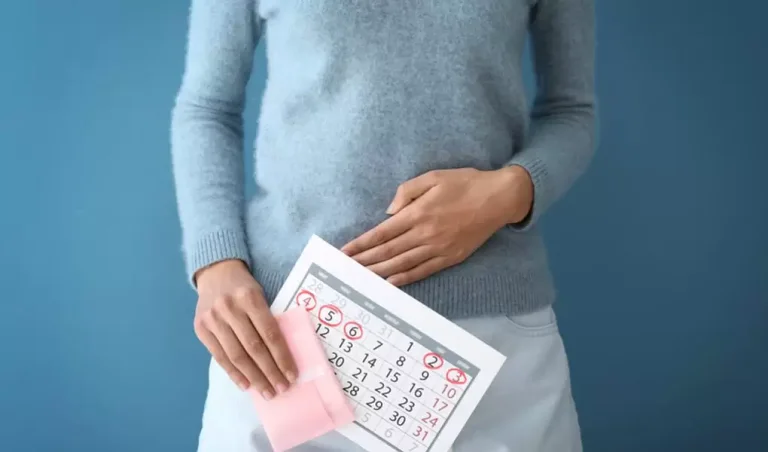
High temperatures affect more than just energy and mood. When they coincide with the menstrual cycle, they can worsen some of the discomforts the body experiences during this period.
According to experts, the combination of hormonal changes and heat can increase fatigue, bloating, cramps, headaches and a feeling of heaviness, making the days of menstruation more difficult.
What happens in the body?
In high temperatures, the body tries to maintain its internal temperature through sweating and the dilation of blood vessels. The loss of fluids and electrolytes affects blood circulation, energy levels and overall well-being.
Dehydration reduces the amount of fluid in the body and can contribute to muscle cramps, including uterine cramps. Together with changes in estrogen levels, it can also trigger headaches and migraines.
To compensate for fluid loss, the body may retain more water, increasing bloating. Fatigue also becomes more pronounced, as the body expends more energy to cool itself. Some women may also notice heavier bleeding, especially during the first days of their cycle.
What can help?
Hydration is one of the most important measures. Water should be consumed regularly throughout the day, while replenishing electrolytes may also be necessary in cases of increased sweating.
Foods rich in water, iron and magnesium are recommended. Meanwhile, it is advisable to limit the consumption of very fatty, heavy or salty foods, as they can increase bloating and discomfort. Caffeine and alcohol should also be consumed in moderation, as they can contribute to dehydration.
Physical activity does not need to be stopped, but intense workouts in the heat can overburden the body. More suitable activities include walking in the morning, yoga, stretching exercises, swimming or light jogging.
Loose, breathable cotton or linen clothing, staying in cool environments and avoiding sun exposure between 11:00 and 17:00 can also help.
Who should take extra care?
Women with endometriosis, adenomyosis, anemia or polycystic ovary syndrome (PCOS) may be more sensitive to high temperatures. In their case, heat can increase pelvic pain, bloating, fatigue, dizziness and menstrual bleeding.
Sudden and very heavy bleeding, unbearable pain, loss of consciousness or pronounced weakness should not be ignored.
Toxic shock syndrome also requires caution. This is a rare but serious condition that can cause a sudden high fever, skin rash, a drop in blood pressure, dizziness, nausea or vomiting, especially when using tampons or menstrual cups.
Heat and other hormonal conditions
During perimenopause and menopause, hot flashes and night sweats may become more intense. In these cases, it is recommended to stay in cool environments and limit spicy foods, caffeine and alcohol.
Pregnant women are also more sensitive to heat and may experience more swelling, fatigue and dizziness. They are advised to rest with their legs elevated, drink enough water and avoid the hottest hours of the day.
Meanwhile, in women with PCOS, lethargy and bloating may be eased through regular meals rich in fiber and protein, good hydration and moderate physical activity during the cooler part of the day.
Related

Women
Does your hair get staticky and lose its shape in winter? This viral method may help
Women
Three Hair Colors That Add Years and Three That Make You Look Younger

Women
A jacket that works with many styles: Practical, elegant and easy to pair

Women
Jeans with this detail look much more elegant and visually lengthen the legs

Women
What Do Women Really Want in a Relationship?
Women
Milk, vanilla and cashmere scent – the new perfume promising to become the perfect winter fragrance

Women
Hairdressers recommend this haircut for women who don’t want to spend half an hour in front of the mirror

Women
This color is outshining all the others—even the simplest outfits look expensive in it
Women
The nails dominating this fall, elegant colors are back in trend

Women
Bomber Jackets and Peplum Style – The Return of Past Trends This Winter

Women
Eye-Catching Coats: Styles for Fall 2026 and Spring 2027

Women
Messy Hair and Flushed Cheeks: Six Beauty Trends That Will Dominate Fall and Winter





