
Resemblance is no coincidence – the combination of DNA can bring out family traits passed down from earlier generations. Sometimes you look at your child and, in their smile, the shape of their nose or the way they squint when they laugh, it feels as though you are seeing your sister. It can even happen that […]
Why Some Children Look More Like Their Aunts Than Their Mother and Father
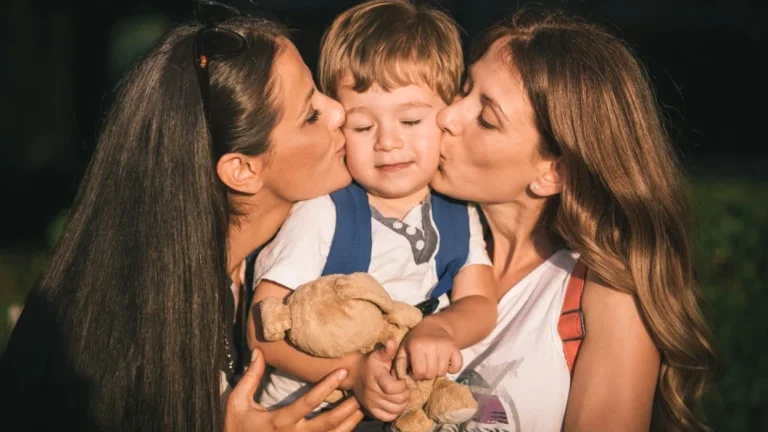
Resemblance is no coincidence – the combination of DNA can bring out family traits passed down from earlier generations.
Sometimes you look at your child and, in their smile, the shape of their nose or the way they squint when they laugh, it feels as though you are seeing your sister. It can even happen that relatives say the child looks more like their paternal or maternal aunt than their mother or father.
This may surprise parents, but the mix of family traits has an entirely logical explanation in genetics. Genetic material combines in many different ways from one generation to the next, so resemblances to aunts and uncles are entirely possible.
How much DNA do we share with an aunt?
To better understand this resemblance, we need to look at how genes are inherited.
A child gets about half of their DNA from their mother and half from their father. Brothers and sisters with the same parents share, on average, around 50 percent of their genetic material.
When it comes to the relationship between a child and their aunt, they share, on average, about 25 percent of their DNA.
This happens because a parent and their sister have inherited different combinations of genes from the same parents. The parent then passes on only part of their own genetic material to the child.
For this very reason, the child may inherit certain genetic variants that correspond more closely to those of their aunt than to the parent’s visible traits, Telegrafi reports.
shutterstock
Why might a child look more like their aunt?
During the formation of reproductive cells, genetic variants are reshuffled and combined randomly.
A child does not receive a ready-made copy of their mother’s or father’s appearance. They inherit a new combination of traits that come from many generations of the family.
For this reason, certain characteristics such as eye color, chin shape, facial structure or height may appear in a child in a way that closely resembles their aunt.
This does not mean the child directly inherited their appearance from her. Rather, the child and the aunt inherited similar genetic variants from common ancestors, such as grandparents.
A family mosaic in which no one is identical
We can imagine genetics as a mosaic made up of many small pieces.
Each parent has their own unique combination, while the birth of a child creates a new mix from both sides of the family.
That is why brothers and sisters can look very different from one another, while a child may look remarkably like an aunt or uncle.
Even the figure of about 25 percent shared DNA is an average and may vary somewhat from one family to another.
Ultimately, these resemblances are an interesting reminder that ancestors’ traits can reappear in new generations, sometimes precisely where the family least expects them. /Telegrafi/
Related
Women
Does your hair get staticky and lose its shape in winter? This viral method may help
Women
Three Hair Colors That Add Years and Three That Make You Look Younger
Women
A jacket that works with many styles: Practical, elegant and easy to pair
Women
Jeans with this detail look much more elegant and visually lengthen the legs

Women
What Do Women Really Want in a Relationship?
Women
Milk, vanilla and cashmere scent – the new perfume promising to become the perfect winter fragrance
Women
Hairdressers recommend this haircut for women who don’t want to spend half an hour in front of the mirror
Women
This color is outshining all the others—even the simplest outfits look expensive in it
Women
The nails dominating this fall, elegant colors are back in trend
Women
Bomber Jackets and Peplum Style – The Return of Past Trends This Winter
Women
Eye-Catching Coats: Styles for Fall 2026 and Spring 2027
Women
Messy Hair and Flushed Cheeks: Six Beauty Trends That Will Dominate Fall and Winter





