
Kosovo’s caretaker Prime Minister, Albin Kurti, spoke about the terrorist attack in Banjska and the explosion at the Ibër-Lepenc canal during his address at the plenary session of the 13th Berlin Process Summit. Kurti described the two incidents as attacks on Kosovo, stressing that they had been carried out in such a way that responsibility could […]
Berlin Process | Kurti mentions Banjska and Ibër-Lepenc, calls for a joint European response
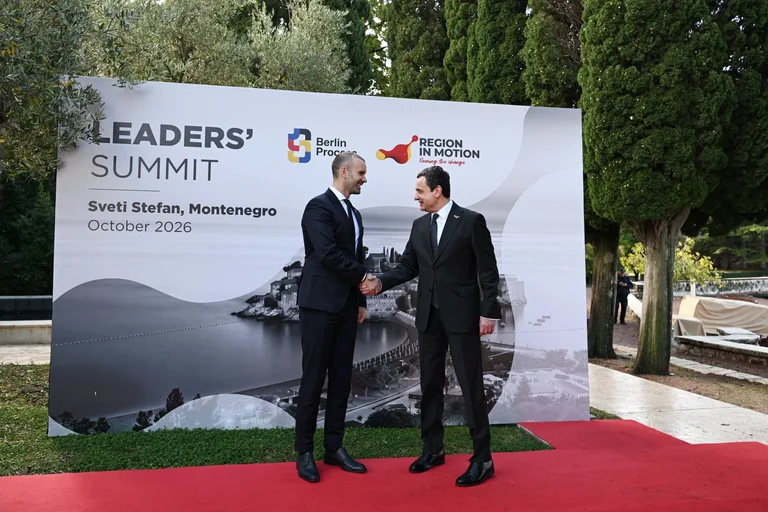
Kosovo’s caretaker Prime Minister, Albin Kurti, spoke about the terrorist attack in Banjska and the explosion at the Ibër-Lepenc canal during his address at the plenary session of the 13th Berlin Process Summit.
Kurti described the two incidents as attacks on Kosovo, stressing that they had been carried out in such a way that responsibility could be denied.
He also mentioned Milan Radoičić, who, he said, had taken responsibility for the attack in Banjska but remains at large.
“An attack on a European democracy is an attack on all of Europe and deserves a collective response, because a response built on a case-by-case basis is not deterrence. For Kosovo, NATO membership also brings deterrence,” the prime minister said,
He stressed that Kosovo’s membership in NATO would also serve as a deterrent mechanism against security threats.
During his address, Kurti also raised the issue of minority rights in the region, calling for them to be treated equally within the framework of the Berlin Process.
In particular, he called on participants to pay attention to the situation of Albanians in the Preševo Valley.
“Minority rights also deserve a joint response through the Berlin Process. Almost every majority in our region is a minority across the border, and when rights stop there, that asymmetry is an injustice. I urge you to take a close look at the Preševo Valley, where Albanians are being pushed out, step by step, from institutions and public and civic life, as staying is becoming much more difficult than leaving,” the head of government said in Montenegro.
Related

Uncategorized
Around 200 Infrakos workers on strike, demand pay raises
Uncategorized
President Justina Shiroka Pula meets with the Kosovo Women's Network, discusses preventing violence against women
Uncategorized
British Prime Minister’s letter to Kurti; former ambassador: Trendafilova called European countries, asked them to threaten Kosovo over the Specialist Chambers
Uncategorized
Sadikaj: A woman’s life is mourned after she is murdered; before the murder, she does not count

Uncategorized
Arlinda Zeka case sparks clashes in the Investigative Commission
Uncategorized
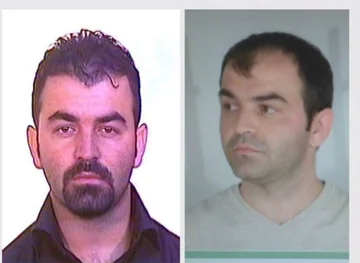
Adnon Jashari, accused in the Diana Kastrati case, declared wanted
Uncategorized
Reports on Sveçla’s niece being appointed as a diplomat, Konjufca: I don’t deal with proper names
Uncategorized
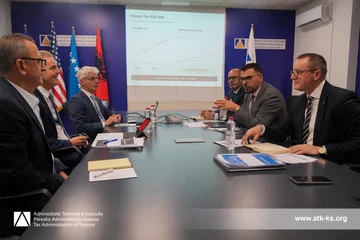
IMF assesses ATK's progress in implementing reforms and modernizing the tax administration
Uncategorized
Putin Is Panicking Ahead of U.S. Elections, Says Congressman Whitesides
Uncategorized
Clash between ruling and opposition parties in Health Committee over report on essential medicines and waiting lists
Uncategorized
Edona Podrimja appointed Deputy Minister of Health
Uncategorized
German Ambassador Meets Members of the Committee on Foreign Affairs and Diaspora





