
Orchids are among the most popular indoor plants because their elegant flowers add a special touch to any space. However, many people face the same situation: the plant has smooth, dark green leaves, the roots look healthy, but there have been no new buds for months. Even […]
Why Isn’t an Orchid Blooming Even Though It Looks Healthy? 5 Changes in Care That Make a Big Difference
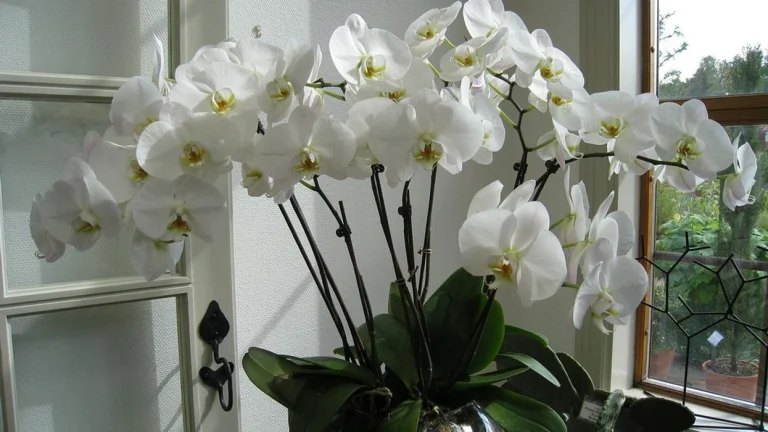
Orchids are among the most popular indoor plants because their elegant flowers add a special touch to any space.
However, many people face the same situation: the plant has smooth, dark green leaves, the roots look healthy, but there have been no new buds for months.
Although it may seem confusing, a lack of flowering is most often the result of small mistakes in growing conditions. Orchids (especially the most common hybrids from the genus Phalaenopsis ) have not failed – all that is needed is to make a few targeted changes to the daily routine.
Lack of light: The main cause of “dormancy”
Although orchids do not tolerate the direct, scorching sun that burns their leaves, they need abundant but filtered light.
Ideal position: An east-facing window provides gentle, perfect morning sunlight. West- and south-facing windows are also worth considering, but with a light curtain to protect the leaves from overheating.
A signal in the leaves: If the leaves are very dark, the orchid probably “needs” more light. Healthy leaves are usually a lighter, olive-green color. Gradually move it to a brighter spot.
Watering mistakes and root rot
In nature, orchids grow as epiphytes on tree bark – their roots are exposed to air currents and dry quickly after rain.
Do not leave the roots in water: Water standing at the bottom of a decorative pot leads to waterlogging and root rot. A damaged root cannot nourish the plant, so it spends its energy on survival instead of flowering.
Root color as an indicator: When the root is green, the plant has enough moisture. When it takes on a silvery-gray hue, it is time to water. Always let excess water drain completely before returning it to the decorative pot.
Check the condition of the substrate
Orchids never like classic potting soil because it is too dense and suffocates the roots. Only a transparent, pine-bark-based substrate should be used.
If you notice a soft, brown, or black root with an unpleasant smell, remove the plant, cut off the rotten parts with clean scissors, and leave the healthy, firm parts untouched (even the gray or aerial ones).
The temperature shock that encourages flowering
This is a key trick that many people forget: if the plant stays at the same, stable room temperature throughout the year, it will not receive the signal to form a flower spike.
Solution: Give it a difference between daytime and nighttime temperatures. For 2 to 3 weeks, it will benefit from staying in a room where the nighttime temperature drops to 16 to 18 °C, while the daytime temperature is around 20 to 24 °C. Avoid strong drafts, proximity to radiators, or air conditioners.
Moderate feeding – no homemade remedies
Too much fertilizer will burn the sensitive roots, while a lack of minerals will slow growth.
Use a special orchid fertilizer at half the concentration specified on the package.
Avoid watering with coffee, sugar water, or milk, as these residues encourage fungi and mold to develop in the bark.
What should you do with the old flower spike?
If the spike remains green: Leave it. Very often, a new side flower branch grows from the “dormant buds.”
If the spike has dried out and turned yellow: Cut it at the base with clean scissors so the plant does not waste resources unnecessarily on dry wood.
Related

Lifestyle
How to remove an eyelash from your eye without harming it? Doctor explains the safe way

Lifestyle
Are Suspended Ceilings Going Out of Fashion? A New Trend Transforms the Room, but Has One Drawback

Lifestyle
Yellow and Brown Stains on the Ceiling: Why New Paint Isn’t Enough and What Helps
Lifestyle
How to remove marker stains from granite countertops without damaging the surface

Lifestyle
Car windows fogging up in the cold? An ingredient you have in your kitchen may help

Lifestyle
Dogs Have Exceptional Hearing: From How Far Away Can They Recognize Your Car, and Can They Sense an Earthquake?

Lifestyle
10 Negative Consequences of Being Too Kind

Lifestyle
Mistakes That Cause Clothes to Smell Unpleasant After Washing

Lifestyle
You brush your teeth every day, but are you doing it correctly?

Lifestyle
Where Does Happiness Lie?
Lifestyle
How Much Protein Do Women Need Every Day to Maintain Their Health?

Lifestyle
Are you storing food properly in the refrigerator? These mistakes can make it spoil faster





