
We brush our teeth every day, but are we doing it correctly? Although the basics of oral hygiene are generally well known, many people do not follow them consistently. The most common mistakes are discussed by Professor Emeritus Murray Thomson of the University of Otago, the author of nearly 500 professional papers who has […]
You brush your teeth every day, but are you doing it correctly?
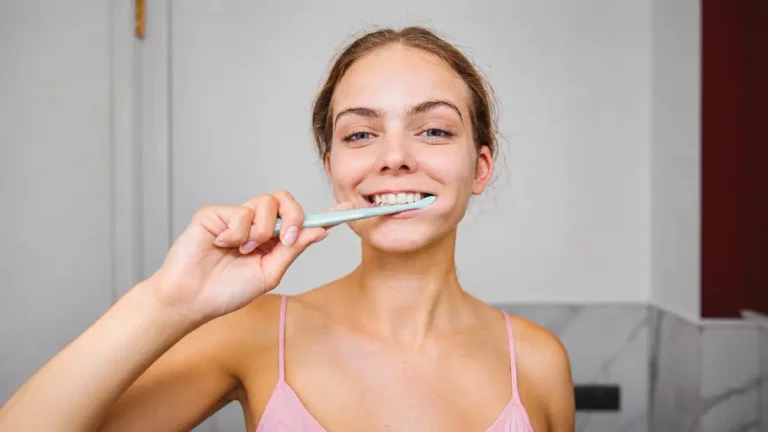
We brush our teeth every day, but are we doing it correctly? Although the basics of oral hygiene are generally well known, many people do not follow them consistently.
The most common mistakes are discussed by Professor Emeritus Murray Thomson of the University of Otago, the author of nearly 500 professional papers who has educated generations of dentists for more than three decades. His advice is based on many years of experience and scientific knowledge, Stuff writes.
A soft toothbrush is the only right choice
Thomson stresses that everyone should use only a soft toothbrush and avoid medium- or hard-bristled ones. He explains that plaque is a soft biofilm, which he also calls “mucus”, so there is no need to scrub aggressively. Brushing too hard can damage the gums and wear away dentine, the softer part of the tooth at its neck, reports Klankosova.tv.
The importance of a systematic approach
Thomson says that in his clinical practice, he has often been able to tell whether a patient is right- or left-handed by how clean their teeth are. People tend to brush less on the side of the mouth corresponding to their dominant hand. Since he uses both hands equally, this is not a problem. He divides his brushing approach into four steps.
“I start with the inside of the lower teeth, then move to the outside. Then I repeat the same thing on the upper teeth,” he explains. Such a system ensures that no area is missed. While the two-minute rule is a useful guideline, especially for those who brush too quickly, time alone is no guarantee of quality. “It’s quality, not quantity,” Thomson stresses, Index.hr writes.
When is it time for a new toothbrush?
Although the old advice is to replace your toothbrush with each change of season, Thomson does not think this is necessarily a rule. He replaces his toothbrush several times a year. “As long as the bristles are straight and hold their shape, the toothbrush is fine,” he explains.
Storing and drying your toothbrush
For hygiene reasons, Thomson would not keep a toothbrush directly above the toilet, but he sees no problem if it is on the other side of the bathroom. He also advises never covering a wet toothbrush. “It’s important to let it dry. The longer it stays wet, the more bacteria can grow,” he says.
How often to brush your teeth
If done correctly, brushing your teeth twice a day is quite enough, Thomson says. He believes that brushing your teeth three times a day is “probably excessive”. For those who want to freshen their breath after lunch, he suggests sugar-free chewing gum.
Don’t forget the spaces between your teeth
Thomson used to floss every morning, but in recent years he has switched to small interdental brushes, which he describes as “wonderful”. He recommends cleaning between your teeth regularly, ideally two to three times a week or more often if possible.
Top tip
Thomson’s top recommendation is for your evening routine: After brushing your teeth, spit out the toothpaste, but do not rinse your mouth with water. This way, the fluoride stays in contact with your teeth for longer. He calls the mixture of toothpaste, saliva and debris removed by the brush a “slurry”.
Related

Lifestyle
How to remove an eyelash from your eye without harming it? Doctor explains the safe way

Lifestyle
Are Suspended Ceilings Going Out of Fashion? A New Trend Transforms the Room, but Has One Drawback

Lifestyle
Yellow and Brown Stains on the Ceiling: Why New Paint Isn’t Enough and What Helps

Lifestyle
How to remove marker stains from granite countertops without damaging the surface

Lifestyle
Car windows fogging up in the cold? An ingredient you have in your kitchen may help

Lifestyle
Dogs Have Exceptional Hearing: From How Far Away Can They Recognize Your Car, and Can They Sense an Earthquake?

Lifestyle
10 Negative Consequences of Being Too Kind

Lifestyle
Mistakes That Cause Clothes to Smell Unpleasant After Washing

Lifestyle
Where Does Happiness Lie?

Lifestyle
Why Isn’t an Orchid Blooming Even Though It Looks Healthy? 5 Changes in Care That Make a Big Difference

Lifestyle
How Much Protein Do Women Need Every Day to Maintain Their Health?

Lifestyle
Are you storing food properly in the refrigerator? These mistakes can make it spoil faster





