
The European Union has called on member states to prepare for global temperatures to rise by 2 degrees Celsius by 2050 and 3 degrees by 2100, compared with pre-industrial levels. Through a new framework for climate resilience, the European Commission aims to make adaptation to climate change part of economic planning and national policies.
EU warns of 3°C global warming, calls for national climate plans
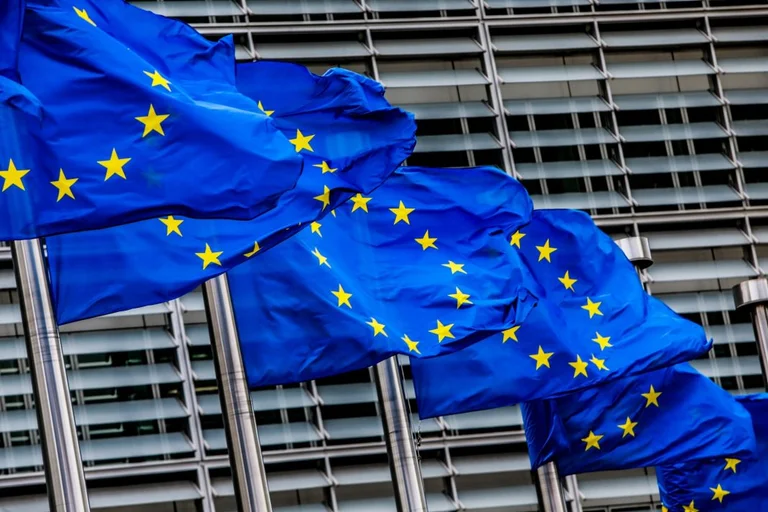
The European Union has called on member states to prepare for global temperatures to rise by 2 degrees Celsius by 2050 and 3 degrees by 2100, compared with pre-industrial levels. Through a new framework for climate resilience, the European Commission aims to make adaptation to climate change part of economic planning and national policies.
According to the Italian news agency ANSA, European Union countries will have to draw up national strategic plans to adapt to the expected rise in temperatures. The new framework adopted by the European Commission sets out a common global warming trajectory on which states should base their preventive measures.
For the first time, the European framework aims to give member states more direct responsibility for preventing climate risks, shifting the focus from responding to natural disasters to preparing in advance for their consequences.
National plans will have to cover various sectors of the economy, including infrastructure, agriculture, energy and other activities exposed to extreme temperatures, droughts, floods and other climate phenomena.
An important element of the new approach is linking climate resilience monitoring with the European Semester, the mechanism through which the European Union coordinates and evaluates the economic and fiscal policies of member states.
This approach aims to ensure that climate risks are treated not only as an environmental problem, but also as a factor affecting economic stability, public finances, investment and the competitiveness of European economies.
The importance of drawing up national strategies
Rising temperatures can directly affect labour productivity, agricultural production, energy demand and infrastructure maintenance costs. At the same time, extreme weather events can increase budget spending on emergencies and reconstruction, placing pressure on public finances.
Including climate adaptation in economic planning aims to encourage governments to identify these risks earlier and direct investment towards strengthening the resilience of economies.
The European Commission’s initiative comes at a time when climate change is playing an increasingly important role in EU economic policies, alongside targets for reducing greenhouse gas emissions.
Unlike policies that aim to limit global warming by reducing emissions, the new framework focuses on adapting to the effects of climate change that may materialise over the coming decades. / ANSA, European Commission
Related
Globe
16 people lose their lives after an incident at a factory in Turkey
Globe
Peace talks, US official: Russia and Ukraine are showing flexibility on possible territorial exchange

Globe
France raises minimum wage to over €1,500 from December 1
Globe
Ukraine talks in Abu Dhabi, Germany: Russia must be ready to negotiate seriously
Globe
France accuses Iran of cyberattacks on supermarket refrigerators, warns of sanctions at European level

Globe
13 migrants die after boat sinks near Crete in Greece

Globe
CNN: US and Iran are negotiating quietly; both sides have several key demands

Globe
Europe joins Ukraine talks, meeting to be held next week

Globe
Israel on the brink of a post-Netanyahu era? Eisenkot gets mandate to form government

Globe
US strikes cargo ship in the Gulf of Oman: It attempted to break the blockade on Iran

Globe
Incident in Krakow, Poland – Prosecutors launch investigation

Globe
At least 33 killed in Saudi airstrikes in Yemen, including women and children





