
Using phones and televisions to calm children has become a common practice for many parents. However, the first two years of life are especially important for brain development, so experts advise limiting screen exposure during this period. According to recommendations from the World Health Organization and the American Academy of […]
Phones and TVs for Babies: Until What Age Is It Recommended to Avoid Them?
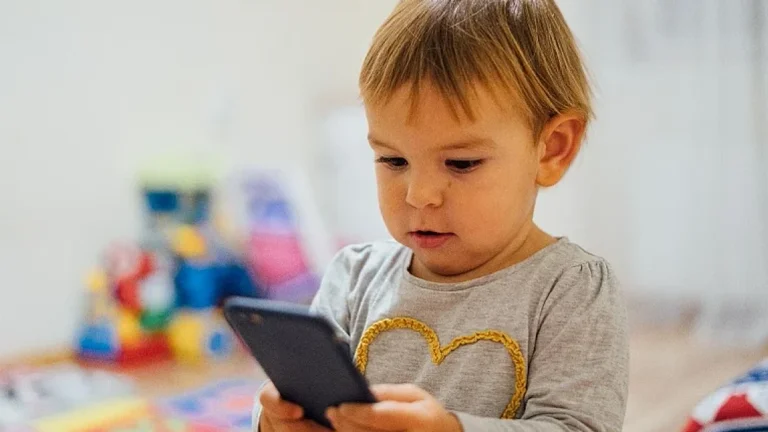
Using phones and televisions to calm children has become a common practice for many parents.
However, the first two years of life are especially important for brain development, so experts advise limiting screen exposure during this period.
According to recommendations from the World Health Organization and the American Academy of Pediatrics, children under 18 months should avoid screens, with the exception of video calls with family members.
From 18 to 24 months, quality, educational content can be introduced gradually, but with parents’ active participation. For children from 2 to 5 years old, screen time should be limited to about one hour a day.
Why is a baby’s brain more sensitive?
During the first years of life, the brain develops rapidly, and children learn mainly through direct interaction with their environment. They discover the world by touching objects, listening to people talk to them, and observing facial expressions.
Screens cannot replace this physical and social experience. For this reason, excessive use of screens at an early age may be associated with difficulties in language development, especially when it replaces direct communication with parents.
Another concern is emotional development. If a phone is used whenever a child cries, becomes upset, or gets angry, the child may have fewer opportunities to gradually learn how to cope with emotions and boredom without the help of a screen.
Screen use, especially before bedtime, can also affect sleep quality. Content with lots of movement, loud sounds, and rapid changes in images can overwhelm a child’s attention, while excessive exposure can leave them with less time to play and explore the real world.
How can you entertain children without a phone or television?
Parents can establish simple habits that do not require using technology. During meals, for example, they can encourage the child to explore food and interact with family members, rather than keeping them focused on videos.
Games with age-appropriate, safe objects, picture books, songs, conversations, and walks are alternatives that encourage learning through direct experience.
The goal is not to isolate children completely from technology or make parents feel guilty, but to ensure that screens do not replace human interaction. When a child begins using digital content, it is important that the content is age-appropriate and that the child watches it together with a parent.
Related

Lifestyle
How to remove an eyelash from your eye without harming it? Doctor explains the safe way

Lifestyle
Are Suspended Ceilings Going Out of Fashion? A New Trend Transforms the Room, but Has One Drawback

Lifestyle
Yellow and Brown Stains on the Ceiling: Why New Paint Isn’t Enough and What Helps

Lifestyle
How to remove marker stains from granite countertops without damaging the surface

Lifestyle
Car windows fogging up in the cold? An ingredient you have in your kitchen may help

Lifestyle
Dogs Have Exceptional Hearing: From How Far Away Can They Recognize Your Car, and Can They Sense an Earthquake?

Lifestyle
10 Negative Consequences of Being Too Kind

Lifestyle
Mistakes That Cause Clothes to Smell Unpleasant After Washing

Lifestyle
You brush your teeth every day, but are you doing it correctly?

Lifestyle
Where Does Happiness Lie?

Lifestyle
Why Isn’t an Orchid Blooming Even Though It Looks Healthy? 5 Changes in Care That Make a Big Difference

Lifestyle
How Much Protein Do Women Need Every Day to Maintain Their Health?





