
It is now widely known and affirmed by all studies and psychologists, starting with Freud and others, that every person’s character is formed at a very young age, which means that parents have the primary and direct influence on a child’s character. Many disorders that appear in adults, such as neuroses, […]
Listening, the Key to Children Becoming Great Adults
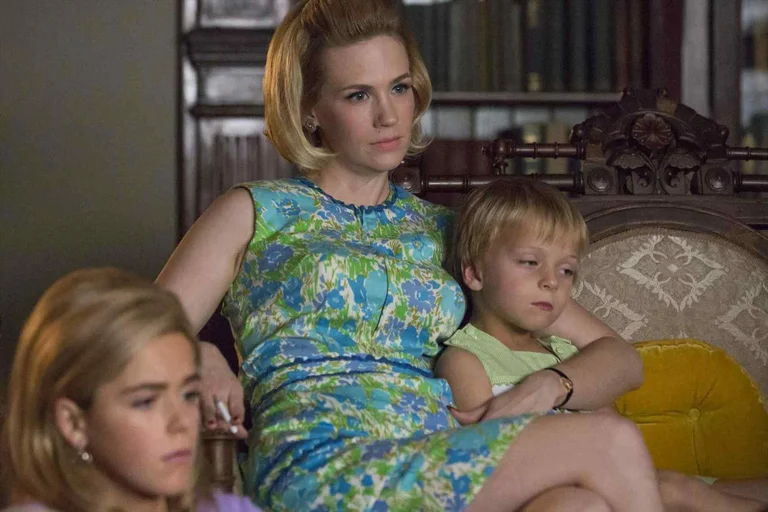
It is now widely known and affirmed by all studies and psychologists, starting with Freud and others, that every person’s character is formed at a very young age, which means that parents have the primary and direct influence on a child’s character. Many disorders that appear in adults, such as neuroses, psychoses, and personality disorders, which lead patients to a psychiatrist or psychologist, all have their roots in early childhood. We have chosen to talk about the extraordinary influence a parent can have on a child’s self-confidence, character development, individuality, and uniqueness—qualities every child should embody in adulthood, when they become an adult.
The key is listening
M. Scott Peck, psychologist and author of the bestseller “The Road Less Traveled,” discusses a very interesting point in his book: the amount of time we devote to teaching children how to read is not proportional to the amount of time they will spend using their reading skills as adults. An adult will spend 80% of their time listening and perhaps 20% reading. This varies depending on the individual and their job. It is strange that no one pays attention to teaching children how to listen. This process is difficult and requires maximum concentration. Setting everything else aside, focusing on and understanding every word spoken by the person you are talking to, the lecturer, your boss, your spouse, and of course your child. The process of listening to a child varies depending on their age. Let’s take the example of a 6-year-old child in first grade. At this age, children are usually very energetic and talk almost nonstop.
How can a parent respond to such almost nonstop talking?
1.By stopping them from talking. Many parents, especially Albanian parents, and in the father’s presence, believe children should not be heard.
2.Letting the child talk, but in practice not hearing a single word they say, letting them talk into thin air and make noise that may or may not be annoying.
3.Pretending to listen. From time to time, simply making some exclamation: “ah,” “uh-huh,” or “I understand,” so that the child thinks you are listening.
4.Listening selectively. This is when the parent listens to the child just enough to understand whether they are saying something important, and to be able to answer with minimal effort.
5.Truly listening to the child, word for word, to what they are saying, setting aside every concern and everything else, and being 100% present and focused.
Of course, parents cannot be expected or asked to listen to their child in the fifth way all the time. It would be very tiring, and they would have no energy left for anything else. Secondly, it would be terribly boring, because in general, the conversation of a 6-year-old is effectively boring, unlike that of a lecturer from whom we want to learn new things.
So what is needed is a balance among the five ways. Finding this balance is not easy, but neither is it difficult. As we get to know our child every day, we understand when it is necessary to tell them to be quiet because we need to concentrate fully on something else, when they are being rude, or when they are interrupting an adult. We will understand when the child does not expect us to listen, but is simply talking for the sake of talking, and is happy with that. When they are not saying anything important, but are simply waiting for us to make those little exclamations just to show that we are present; when we should listen selectively, and when we should truly listen to the child.
Most parents fail at the last approach. The most they can do is listen selectively, even if they may believe they are truly listening. This is self-deception and laziness. Truly listening to someone, especially a child, requires maximum effort.
Total Concentration
You cannot be doing something and listening to someone at the same time. Set everything else aside. It is the child’s time. It is just the two of you.
Clear your mind
Everything that is yours—your worries and concerns. Think of nothing except listening to and understanding what the child is saying. Listening to a 6-year-old in this way is very tiring. So why bother? Why make so much effort to listen to what a child of that age is saying?
1.By giving your child the same importance, by listening to them in the same way you would listen to a great lecturer, the child will feel valuable. It is the most concrete proof of how much you value your child.
2.The more valued they feel, the more worthwhile they consider themselves, the more they will begin to say things of greater and greater value, because you are listening to them. Then they will try to say things that meet your expectations.
3.The more you listen to your child, the more you will be able to understand that, amid those boring, ordinary conversations, your child really does have valuable things to say. The claim that “the greatest wisdom comes from the mouths of children” is true for anyone who truly listens to their child. Listen to your child enough and you will understand that they are an extraordinary, special individual. The more convinced you are of this fact, the more willing you will be to listen to them, and the more convinced you will become of the unique individual your child is.
4.The more you know about your child, the better you will know how to teach them. When you know little about your child, you will either try to teach them things they are not ready to learn, or things they already know and understand, perhaps even better than you do.
5.The more your child feels your appreciation and knows that you consider them an extraordinary person, the more willing they will be to listen to you and hold you in the same regard. The more appropriate the things you teach them are, based on what you already know about them, the more willing they will be to learn from you. And the more they learn, the more extraordinary and excellent they will become. If the reader can perceive the cyclical nature of this process, they are recognizing the reciprocity of love. Instead of a vicious cycle spiraling downward, it is a creative cycle of growth, evolution, and development. Value creates value. Love reflects love!
Related

Lifestyle
How to remove an eyelash from your eye without harming it? Doctor explains the safe way

Lifestyle
Are Suspended Ceilings Going Out of Fashion? A New Trend Transforms the Room, but Has One Drawback

Lifestyle
Yellow and Brown Stains on the Ceiling: Why New Paint Isn’t Enough and What Helps

Lifestyle
How to remove marker stains from granite countertops without damaging the surface

Lifestyle
Car windows fogging up in the cold? An ingredient you have in your kitchen may help

Lifestyle
Dogs Have Exceptional Hearing: From How Far Away Can They Recognize Your Car, and Can They Sense an Earthquake?

Lifestyle
10 Negative Consequences of Being Too Kind

Lifestyle
Mistakes That Cause Clothes to Smell Unpleasant After Washing

Lifestyle
You brush your teeth every day, but are you doing it correctly?

Lifestyle
Where Does Happiness Lie?

Lifestyle
Why Isn’t an Orchid Blooming Even Though It Looks Healthy? 5 Changes in Care That Make a Big Difference

Lifestyle
How Much Protein Do Women Need Every Day to Maintain Their Health?





