
Psychologists are increasingly encountering a rise in the intensity and frequency of psychopathological disorders among children and adolescents. Prevention is the most effective intervention, but to achieve this, we must first acknowledge that the problem exists and then change what is not working. Of course, before we begin making these changes, we must repair the damage; otherwise, the bandages on old wounds will come off and we will have to start all over again. When it comes to issues involving children and adolescents, the importance of parenting’s role in their mental and physical health inevitably comes to the fore.
The Secret to a Happy Child Is Family
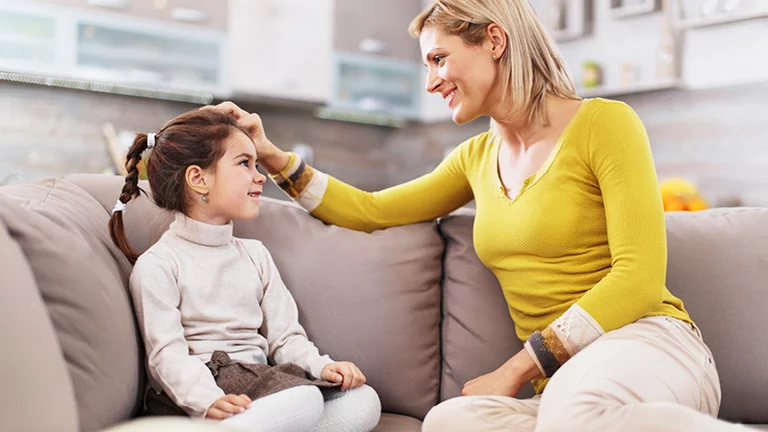
Psychologists are increasingly encountering a rise in the intensity and frequency of psychopathological disorders among children and adolescents. Prevention is the most effective intervention, but to achieve this, we must first acknowledge that the problem exists and then change what is not working. Of course, before we begin making these changes, we must repair the damage; otherwise, the bandages on old wounds will come off and we will have to start all over again. When it comes to issues involving children and adolescents, the importance of parenting’s role in their mental and physical health inevitably comes to the fore.
It is often forgotten that early childhood is an extremely delicate stage, when the foundations are laid upon which a person’s stable identity and personality will be built. This is a period of neuronal and muscular plasticity, which can be shaped both positively and negatively, including through indirect learning. Children learn indirectly from the examples set by the important figures in their lives and from their life experiences. Children need bonds, parental confrontation, social relationships, and physical activity. They need to express themselves both psychologically and physically, feeling protected by an adult who guides them, helps them when they need it, and encourages them to move forward on their own when the time is right.
A child should grow up aware that they have a stable relationship, that they are accepted, and that there will always be a harbor where they can anchor and set off again. For their part, parents need to understand that they should not act like a parachute, because this way children will never spread their wings and fly on their own.
It is increasingly rare to see a child being held to soothe them while they cry, or parents walking hand in hand with their children. Instead, they simply hand them a tablet or smartphone. This solution is faster and easier. The children seem to be overcome by a dose of anesthesia, while their parents can calmly carry on with their activities.
In fact, this is understandable (if it happens on special occasions), but what harms the child is when it becomes a systematic habit rather than an isolated occurrence.
Today we have reached the point where children no longer walk, but travel separated from their parents on an electric hoverboard or roller skates, missing out on the importance and pleasure of holding a parent’s hand. The problem is not only psychological or emotional; issues can also be seen in the development of mental and physical abilities. We are increasingly encountering children who do not know how to run, jump, or ride a bicycle.
Children need to play, sometimes even to fall and scrape their knees, and to interact with their peers—not only with adults and technology. Children need to quarrel and make up again, to understand their limits and the meaning of friendship, which is different from sending hearts on WhatsApp, as well as distance, empathy, and respect.
• Children should grow up developing their problem-solving skills and intellect through their own experiences, including by making mistakes. If we want to teach a child to be responsible, we must first act as responsible parents.
• Facing life dynamically is the secret to never falling ill and not being defeated by events. Children today often do not know what motivation, self-confidence or confidence in someone else, or the feeling of effort are. They risk losing the match before it has even begun because no one has taken the time to teach them how to play it.
• Rather than always talking about what comes next and the consequences, we need to start talking now. The family should be the fundamental source of a child’s upbringing, and that is where we should invest if we want to avoid talking about pathologies, deviance, and disorders. (Psikologji Magazine)
Related

Lifestyle
How to remove an eyelash from your eye without harming it? Doctor explains the safe way

Lifestyle
Are Suspended Ceilings Going Out of Fashion? A New Trend Transforms the Room, but Has One Drawback

Lifestyle
Yellow and Brown Stains on the Ceiling: Why New Paint Isn’t Enough and What Helps

Lifestyle
How to remove marker stains from granite countertops without damaging the surface

Lifestyle
Car windows fogging up in the cold? An ingredient you have in your kitchen may help

Lifestyle
Dogs Have Exceptional Hearing: From How Far Away Can They Recognize Your Car, and Can They Sense an Earthquake?

Lifestyle
10 Negative Consequences of Being Too Kind

Lifestyle
Mistakes That Cause Clothes to Smell Unpleasant After Washing

Lifestyle
You brush your teeth every day, but are you doing it correctly?

Lifestyle
Where Does Happiness Lie?

Lifestyle
Why Isn’t an Orchid Blooming Even Though It Looks Healthy? 5 Changes in Care That Make a Big Difference

Lifestyle
How Much Protein Do Women Need Every Day to Maintain Their Health?





