
The largest study to date on screen use by infants warns that exposing children under the age of two to phones, tablets and other digital devices may negatively affect their development, health and quality of life, The Guardian has reported. The research, conducted by researchers from […]
Exposure of infants to phones negatively affects development
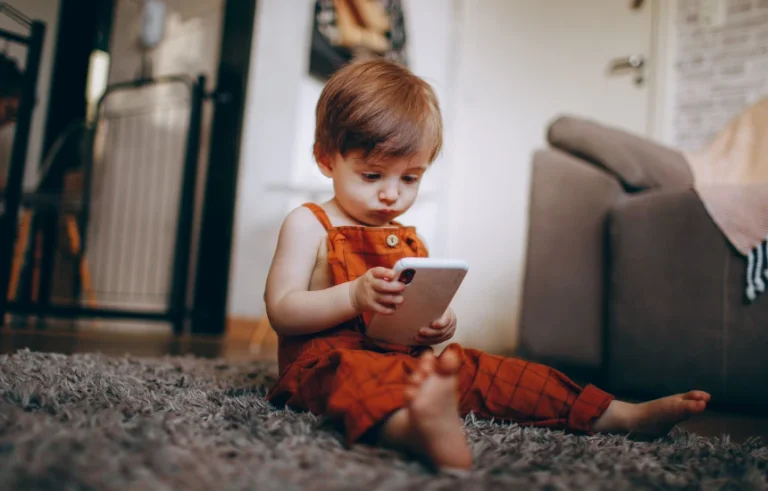
The largest study to date on screen use by infants warns that exposing children under the age of two to phones, tablets and other digital devices may negatively affect their development, health and quality of life, The Guardian has reported.
The research, conducted by researchers from four British universities, calls on authorities to review current guidelines and investigate further the risks screens may pose to infants.
According to the researchers, screen use at this age may reduce the time children spend with their parents, limit language development, reduce active play with other children, as well as cause sleep difficulties, brain overload and vision problems, and increase the risk of being overweight.
The report found no evidence that screens directly cause developmental disorders, but the researchers stress that there is no proven benefit to their regular use by children under two.
“We do not recommend that children under the age of two be regularly exposed to screens. Although occasional exposure is unavoidable in everyday life, deliberate use only increases the risk, without bringing significant benefits to their development,” the report states.
The study’s co-leader, Rafe Clayton, a senior lecturer at the University of Leeds, said that many parents are unknowingly creating unhealthy habits for their children.
“This needs to change. Because of the lack of clear guidance, parents are inadvertently teaching infants and children to develop an unhealthy relationship with screens,” he said.
Professor Carmen Clayton of Leeds Trinity University has also called for more support for families.
“The government must find better ways to help parents understand the risks of excessive screen use without making them feel judged,” she said.
Meanwhile, Rachel de Souza, the Children’s Commissioner for England, said that the current guidelines are not intended to replace parents’ decisions.
“For children under two, the recommendation remains clear: screens should be avoided. However, we acknowledge that in some cases, such as communicating with family members via video calls or limited educational activities, their use is a normal part of life today,” she said.
Related

Lifestyle
How to remove an eyelash from your eye without harming it? Doctor explains the safe way

Lifestyle
Are Suspended Ceilings Going Out of Fashion? A New Trend Transforms the Room, but Has One Drawback

Lifestyle
Yellow and Brown Stains on the Ceiling: Why New Paint Isn’t Enough and What Helps

Lifestyle
How to remove marker stains from granite countertops without damaging the surface

Lifestyle
Car windows fogging up in the cold? An ingredient you have in your kitchen may help

Lifestyle
Dogs Have Exceptional Hearing: From How Far Away Can They Recognize Your Car, and Can They Sense an Earthquake?

Lifestyle
10 Negative Consequences of Being Too Kind

Lifestyle
Mistakes That Cause Clothes to Smell Unpleasant After Washing

Lifestyle
You brush your teeth every day, but are you doing it correctly?

Lifestyle
Where Does Happiness Lie?

Lifestyle
Why Isn’t an Orchid Blooming Even Though It Looks Healthy? 5 Changes in Care That Make a Big Difference

Lifestyle
How Much Protein Do Women Need Every Day to Maintain Their Health?





