
Migraine is not just a bad headache. When someone suffers from migraine, they experience sharp, intense pain affecting the eyes, ears and head, as well as nausea, vomiting, sensitivity to light and sounds, and blurred vision. Migraine episodes can last for several hours, but also […]
The Hidden Triggers of Migraine
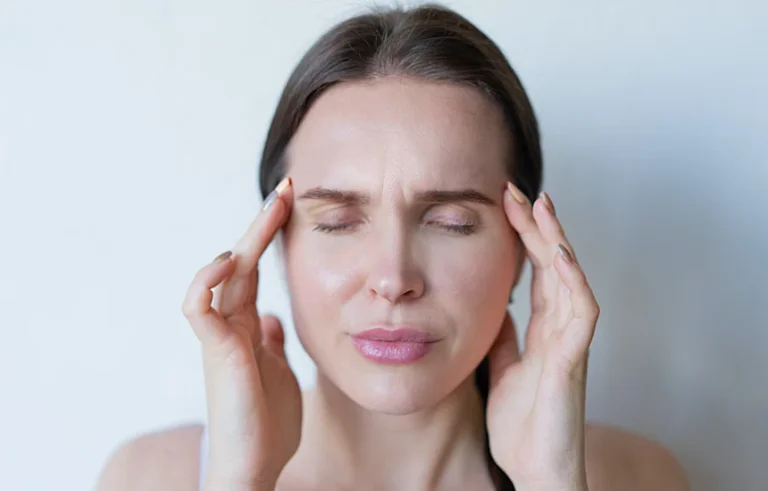
Migraine is not just a bad headache.
When someone suffers from migraine, they experience sharp, intense pain affecting the eyes, ears and head, as well as nausea, vomiting, sensitivity to light and sounds, and blurred vision.
Migraine episodes can last for several hours, but also for several days.
Medical experts still have many questions about the true causes of migraine.
However, studies say that the pain is likely to manifest as a result of abnormal changes in the brain’s biochemistry, which then trigger inflammation. This is followed by swelling of the blood vessels and pressure on the nerves.
Experts say that, in addition to the genetic factor, this condition affects women three times more than men.
Alcohol
Experts say that even a small amount of alcohol can trigger migraine.
It dilates the blood vessels and increases blood pressure.
Moreover, alcohol has a dehydrating effect and disrupts the chemical balance in the brain.
Among alcoholic drinks, red wine is one of the most potent migraine triggers.
Caffeine
People who suffer from migraine commonly think that caffeine is problematic. As a result, they give it up.
On the other hand, in the case of ordinary headaches, caffeine has a soothing effect.
This has led experts to believe that giving up caffeine may be the cause of migraine episodes.
Problematic sleep
Sleep problems or too few hours of sleep (5-6) cause fluctuations in hormone levels in the body, which can trigger migraine.
What is considered the most potent migraine trigger is the lack of a strict sleep routine.
In other words, if someone sleeps five hours one day and 11 hours the next, they do not have a proper, healthy sleep routine.
Stress
Hormonal changes in the brain caused by stress act as a switch that sets off migraine pain.
Many people who suffer from it say that whenever they have experienced stress, they have been struck by migraine once it has passed.
Anxiety
Migraine is also a problem that affects many people who suffer from anxiety and mood swings.
Although the precise reason is not yet known, doctors have observed that migraine medications also have a secondary function: combating depression and anxiety.
Doctors believe this has to do with hormones, which also play a key role in migraine.
Foods
There are suggestions that foods containing histamine, such as aged cheese or some meats, tend to cause migraine, but this is not a general rule that applies to everyone.
The best way to understand the role of food in migraine is to keep a food diary and pay attention./AgroWeb.org
Related

Lifestyle
How to remove an eyelash from your eye without harming it? Doctor explains the safe way

Lifestyle
Are Suspended Ceilings Going Out of Fashion? A New Trend Transforms the Room, but Has One Drawback

Lifestyle
Yellow and Brown Stains on the Ceiling: Why New Paint Isn’t Enough and What Helps

Lifestyle
How to remove marker stains from granite countertops without damaging the surface

Lifestyle
Car windows fogging up in the cold? An ingredient you have in your kitchen may help

Lifestyle
Dogs Have Exceptional Hearing: From How Far Away Can They Recognize Your Car, and Can They Sense an Earthquake?

Lifestyle
10 Negative Consequences of Being Too Kind

Lifestyle
Mistakes That Cause Clothes to Smell Unpleasant After Washing

Lifestyle
You brush your teeth every day, but are you doing it correctly?

Lifestyle
Where Does Happiness Lie?

Lifestyle
Why Isn’t an Orchid Blooming Even Though It Looks Healthy? 5 Changes in Care That Make a Big Difference

Lifestyle
How Much Protein Do Women Need Every Day to Maintain Their Health?





