
Many people keep plastic wrap in a drawer next to aluminum foil, baking paper and garbage bags, unaware that there is a better way to store it. If you have trouble unwrapping plastic wrap, you should keep it in the refrigerator. This is because it is designed to cling to dishes […]
Why Should We Keep Plastic Wrap in the Refrigerator?
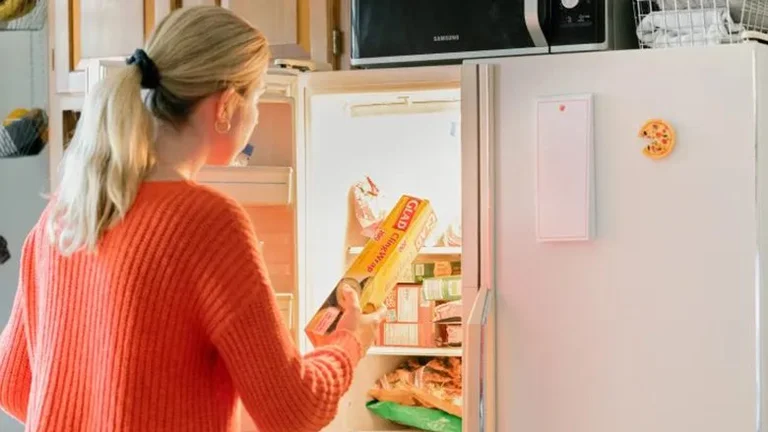
Many people keep plastic wrap in a drawer next to aluminum foil, baking paper and garbage bags, unaware that there is a better way to store it
If you have trouble unwrapping plastic wrap, you should keep it in the refrigerator. This is because it is designed to cling to dishes and food, so it makes sense that sometimes you cannot unwrap it.
So, if you keep it in the refrigerator, you’ll solve this problem.
Most plastic wraps are made from polyethylene, the type of plastic used most widely in the world. In plastic wrap, the polymer molecules are very rough and naturally sticky. However, manufacturers also add adhesives that make it stick to other materials.
Of course, plastic wrap is also known to generate static electricity, which leads to an argument for storing it in the refrigerator.
According to the portal The Kitchen, cold air reduces static electricity, and plastic wrap also loses its stickiness at lower temperatures for molecular reasons.
“The adhesion between pieces of plastic can be encouraged by molecules on the surface rearranging to form weak chemical bonds, and a lower temperature can somewhat hinder that process,” explained physics professor Chad Orzel.
It is important to note that plastic wrap does not need to be in the refrigerator all the time. If you have trouble separating the wrap, simply keep it in the refrigerator for 15 minutes before you plan to use it. Finally, once you have finished, make sure to leave a small end of the plastic wrap sticking out. Stick it to the side of the box, as this will prevent you from having to find the end next time.
Related

Lifestyle
How to remove an eyelash from your eye without harming it? Doctor explains the safe way

Lifestyle
Are Suspended Ceilings Going Out of Fashion? A New Trend Transforms the Room, but Has One Drawback
Lifestyle
Yellow and Brown Stains on the Ceiling: Why New Paint Isn’t Enough and What Helps
Lifestyle
How to remove marker stains from granite countertops without damaging the surface
Lifestyle
Car windows fogging up in the cold? An ingredient you have in your kitchen may help

Lifestyle
Dogs Have Exceptional Hearing: From How Far Away Can They Recognize Your Car, and Can They Sense an Earthquake?

Lifestyle
10 Negative Consequences of Being Too Kind

Lifestyle
Mistakes That Cause Clothes to Smell Unpleasant After Washing
Lifestyle
You brush your teeth every day, but are you doing it correctly?

Lifestyle
Where Does Happiness Lie?

Lifestyle
Why Isn’t an Orchid Blooming Even Though It Looks Healthy? 5 Changes in Care That Make a Big Difference
Lifestyle
How Much Protein Do Women Need Every Day to Maintain Their Health?





