
Your hair needs sleep just as much as your skin does. You may not have realized it, but sleeping with your hair loose can cause a lot of damage. “Bright Side” explains how sleeping with your hair loose can affect you. You may wake up with tangled hair When you toss and turn in your sleep, your hair becomes […]
How should you sleep to avoid damaging your hair?
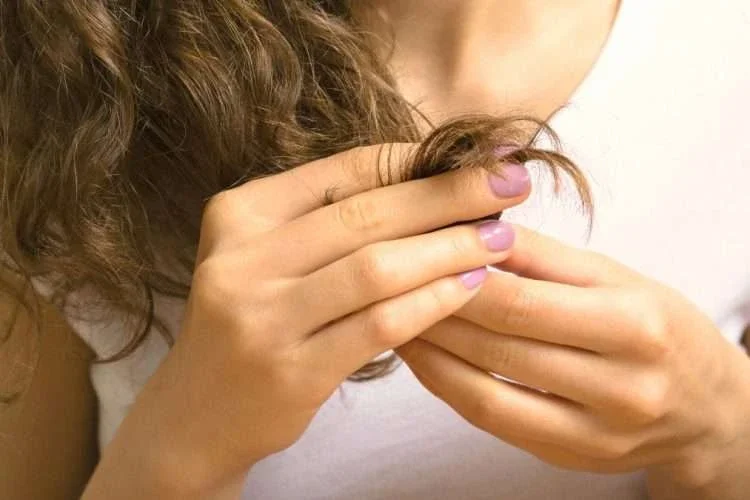
Your hair needs sleep just as much as your skin does. You may not have realized it, but sleeping with your hair loose can cause a lot of damage.
“Bright Side” explains how sleeping with your hair loose can affect you.
You may wake up with tangled hair
When you toss and turn in your sleep, your hair gets knotted. This happens because of the friction created when your hair rubs against the pillow.
Not only will you wake up with messy hair, but this repeated damage can weaken your strands.
It can cause pimples
If you have sensitive, acne-prone skin, it’s a good idea to keep your hair from touching your face.
The products you use to care for your hair can clog your pores. This, in turn, can cause skin irritation.
In fact, people with long hair can even get pimples on their back.
It can slow hair growth
When hair gets tangled, it means its cuticle lifts up and stays open.
Damaged hair grows slowly, and if you’re dreaming of long hair, make sure to protect it while you sleep.
Your hair can look very rough
Your pillow may be responsible for your frizzy hair, because the more friction there is, the more moisture evaporates from it.
It can cause split ends
Split ends are not only annoying, but they don’t look good either. If you don’t tie your hair up before going to bed, your movements while sleeping can damage your hair.
It can affect the quality of your sleep
While you’re sleeping, your hair can rub against your face and disrupt your sleep. The best way to care for your hair before you go to sleep is to gently brush it and loosely braid it./Agroweb
Related

Lifestyle
How to remove an eyelash from your eye without harming it? Doctor explains the safe way
Lifestyle
Are Suspended Ceilings Going Out of Fashion? A New Trend Transforms the Room, but Has One Drawback
Lifestyle
Yellow and Brown Stains on the Ceiling: Why New Paint Isn’t Enough and What Helps
Lifestyle
How to remove marker stains from granite countertops without damaging the surface

Lifestyle
Car windows fogging up in the cold? An ingredient you have in your kitchen may help

Lifestyle
Dogs Have Exceptional Hearing: From How Far Away Can They Recognize Your Car, and Can They Sense an Earthquake?

Lifestyle
10 Negative Consequences of Being Too Kind

Lifestyle
Mistakes That Cause Clothes to Smell Unpleasant After Washing
Lifestyle
You brush your teeth every day, but are you doing it correctly?

Lifestyle
Where Does Happiness Lie?

Lifestyle
Why Isn’t an Orchid Blooming Even Though It Looks Healthy? 5 Changes in Care That Make a Big Difference

Lifestyle
How Much Protein Do Women Need Every Day to Maintain Their Health?





