
A study conducted by researchers at Washington University in St. Louis in the United States analyzed data from around 12,000 children aged 9 and 10, examining hundreds of factors that may affect brain function. The researchers assessed factors such as health, screen time, parenting styles and […]
Socioeconomic conditions influence children's brain development more than other factors
A study conducted by researchers at Washington University in St. Louis in the United States analyzed data from around 12,000 children aged 9 and 10, examining hundreds of factors that may affect brain function.
The researchers assessed factors such as health, screen time, parenting styles and cognitive abilities, finding that socioeconomic conditions – including family income and neighborhood conditions – explain around 16% of the differences in children's brain function.
According to the study's authors, this influence is greater than that of factors such as intelligence quotient (IQ), parenting style or health history.
“The brain of a child from a low socioeconomic-status environment looks like that of a child from a more advantaged environment who has been sleep-deprived and stressed,” Professor Nico Dosenbach told Euronews.
He emphasized that these findings are not related to differences in intelligence, but to the influence of living conditions. In his view, improving sleep and reducing stress for children in more difficult circumstances could help lessen these differences.
The researchers analyzed a total of 649 variables related to brain development, including physical and mental health, daily habits and family life.
The study's lead author, Scott Marek, said the influence of socioeconomic conditions was much greater than expected, calling it “the elephant in the brain.”
He added that brain scans can provide indications of children's living conditions, such as sleep and screen use, but not their intelligence, suggesting that environmental factors influence them in ways that have often been misunderstood in the past.
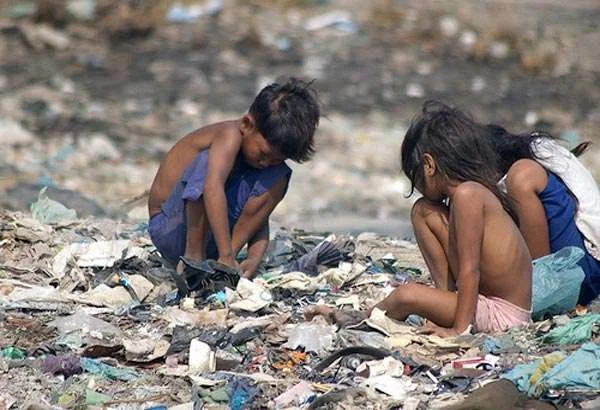
The findings also highlight the far-reaching impact of child poverty globally. According to UNICEF, around 900 million children worldwide experience multidimensional poverty, lacking access to adequate food, health care, education and suitable housing.
Related

Lifestyle
How to remove an eyelash from your eye without harming it? Doctor explains the safe way

Lifestyle
Are Suspended Ceilings Going Out of Fashion? A New Trend Transforms the Room, but Has One Drawback

Lifestyle
Yellow and Brown Stains on the Ceiling: Why New Paint Isn’t Enough and What Helps

Lifestyle
How to remove marker stains from granite countertops without damaging the surface

Lifestyle
Car windows fogging up in the cold? An ingredient you have in your kitchen may help

Lifestyle
Dogs Have Exceptional Hearing: From How Far Away Can They Recognize Your Car, and Can They Sense an Earthquake?

Lifestyle
10 Negative Consequences of Being Too Kind

Lifestyle
Mistakes That Cause Clothes to Smell Unpleasant After Washing

Lifestyle
You brush your teeth every day, but are you doing it correctly?

Lifestyle
Where Does Happiness Lie?

Lifestyle
Why Isn’t an Orchid Blooming Even Though It Looks Healthy? 5 Changes in Care That Make a Big Difference

Lifestyle
How Much Protein Do Women Need Every Day to Maintain Their Health?





