
According to the National Health Service (NHS), there are 20 health conditions that involve “pain so movement-limiting” that it can prevent people from carrying out everyday tasks – and they include pains that are already well known, such as broken bones and kidney stones, as well as less familiar ones that also cause agony, such as gout or trigeminal neuralgia […]
The most unbearable pains a person can experience
According to the National Health Service (NHS), there are 20 health conditions that involve “pain so movement-limiting” that it can prevent people from carrying out everyday tasks – and they include pains that are already well known, such as broken bones and kidney stones, as well as less familiar ones that also cause agony, such as gout or trigeminal neuralgia
Pain is a delicate subject, since it is usually considered subjective and depends on the intensity of the pain experienced by each person individually.
However, while the pain of getting a tattoo or that of childbirth may be debatable, there are certain health conditions or diseases that are unquestionably torturous.
According to the National Health Service (NHS), there are 20 health conditions that involve “pain so movement-limiting” that it can prevent people from carrying out everyday tasks – and they include pains that are already well known, such as broken bones and kidney stones, as well as less familiar ones that also cause agony, such as gout or trigeminal neuralgia.
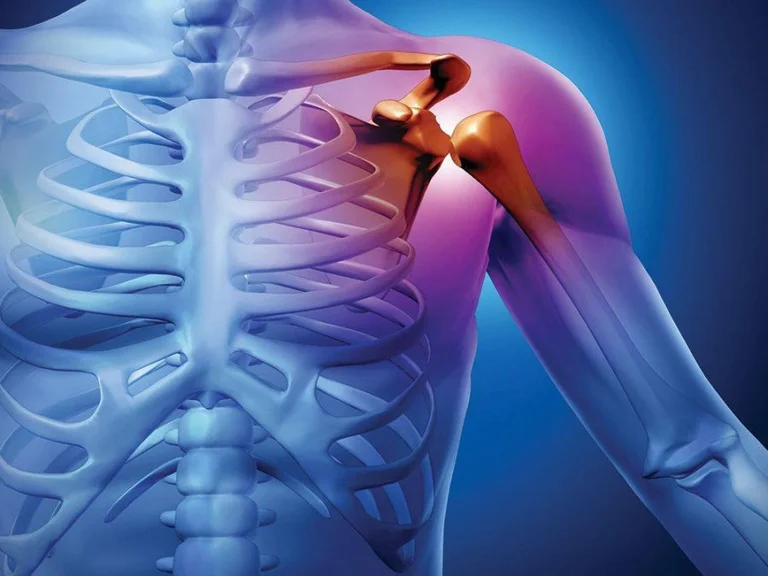
The National Health Service (NHS) also considers “frozen shoulder” one of the worst pains, since it is a health condition in which the pain is so stiff that it makes it impossible to raise the arm. This condition can last for several years if left untreated.
Endometriosis, a debilitating gynaecological condition in which cells from the womb are found elsewhere in the body, is also on the list.
This disease, which is thought to affect one in 10 women worldwide, takes approximately 7.5 years to diagnose, during which time women may experience constant pelvic pain, pain during their menstrual cycle and pain during sexual intercourse.
Also among the list of diseases compiled by the NHS that can cause the most severe pain are arthritis, appendicitis and migraine. The full list, in no particular order, is as follows: Shingles, headaches, “frozen shoulder”, broken bones, complex regional pain syndrome (CRPS), heart attack, sickle cell disease, arthritis, migraine, sciatica, kidney stones, appendicitis, trigeminal neuralgia, acute pancreatitis, gout, endometriosis, stomach ulcer, fibromyalgia and pain after surgery.
Family medicine expert Dr Gray LeRoy, of Dayton, Ohio, in the United States, told the daily newspaper “The Independent” that “these are all valid health conditions that we commonly see in healthcare”.
However, according to LeRoy, there are two other conditions that could be added to the list.
“Back pain, the most common thing we see in primary care practices, and toothache.”
“Chronic lower back pain affects 80 percent of the population at some point in their lives because, as Homo sapiens, we bend, stoop, lift and push, and end up with musculoskeletal back pain,” LeRoy said.
Toothaches, which are usually overlooked, can be extremely torturous, LeRoy noted.
“We usually look at things above the head and beyond; it’s very common,” he added.
LeRoy said that he had repeatedly been aware of oral pain syndrome, as some patients had complained of pain in their mouth, jaw or ear, which had in fact been found to result from dental problems.
As for what to do in situations when pain “affects people’s ability to function in society” or “prevents them from working, sleeping or eating”, LeRoy advises seeking medical help, as there may be other consequences as well.
And for pain associated with heart attacks, the worst headache one can experience, kidney stones, acute pancreatitis or appendicitis, LeRoy advises seeking emergency medical care, as these types of pain can be potentially life-threatening.
Related

Lifestyle
How to remove an eyelash from your eye without harming it? Doctor explains the safe way

Lifestyle
Are Suspended Ceilings Going Out of Fashion? A New Trend Transforms the Room, but Has One Drawback

Lifestyle
Yellow and Brown Stains on the Ceiling: Why New Paint Isn’t Enough and What Helps

Lifestyle
How to remove marker stains from granite countertops without damaging the surface

Lifestyle
Car windows fogging up in the cold? An ingredient you have in your kitchen may help

Lifestyle
Dogs Have Exceptional Hearing: From How Far Away Can They Recognize Your Car, and Can They Sense an Earthquake?
Lifestyle
10 Negative Consequences of Being Too Kind

Lifestyle
Mistakes That Cause Clothes to Smell Unpleasant After Washing

Lifestyle
You brush your teeth every day, but are you doing it correctly?
Lifestyle
Where Does Happiness Lie?

Lifestyle
Why Isn’t an Orchid Blooming Even Though It Looks Healthy? 5 Changes in Care That Make a Big Difference

Lifestyle
How Much Protein Do Women Need Every Day to Maintain Their Health?





