
Studies show that depression can leave lasting effects on physical strength, motivation and movement control, even after psychological symptoms have eased Although in everyday life we use a handshake mainly as a gesture of greeting and courtesy, in medicine, psychology and anthropology it is seen as an interesting window into a person’s health and emotional state […]
A Weak Handshake Can Be a Warning Sign: What It Reveals About Depression

Studies show that depression can leave lasting effects on physical strength, motivation and movement control, even after psychological symptoms have eased
Although in everyday life we use a handshake mainly as a gesture of greeting and courtesy, in medicine, psychology and anthropology it is seen as an interesting window into a person’s health and emotional state. What was once associated with “reading character” is now supported by modern science through numerous clinical studies: a handshake is a simple but extremely useful biomarker.
A handshake reflects a person’s physical condition
A weak handshake when greeting someone may be incidental, but it can also reveal a lot about health, because grip strength is considered a simple indicator of physical condition. New data show that a handshake can also speak to the effects of depression. In fact, even after the condition has been overcome, strength often remains reduced, according to a study published in the journal JAMA Psychiatry.
Healthy participants achieved an average grip strength of 30,7 kilograms. Among people with acute depression, this figure was 23,7 kilograms, while after treatment and improvement in depression it was 24,5 kilograms. The direct comparison between these two groups is particularly significant. Grip strength was almost as low, even though one would expect the body to recover after the depressive phase had ended.
“This surprised us a lot. We expected people who had recovered from depression to have normal grip strength again,” says psychiatrist Sebastian Walther, professor of psychiatry at the University of Bern, adding that it has long been known that people with depression or schizophrenia often have weaker grip strength than healthy people.
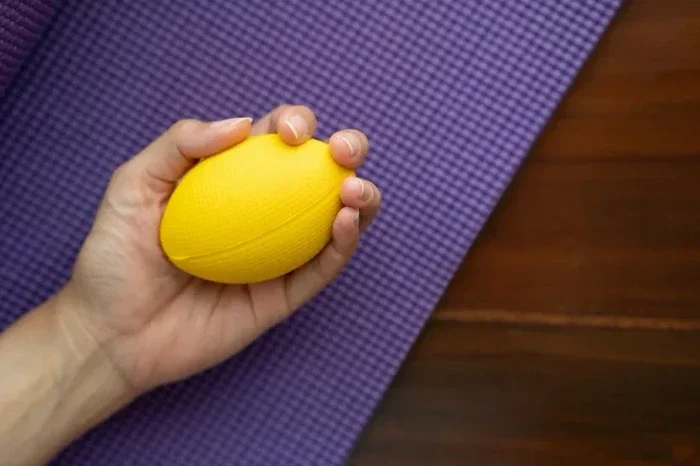
Movement control and motivation may remain impaired
It has now been discovered that this difference may persist even after depression. The psychological crisis may pass, but the body may still not have fully recovered. Professor Walther considers this concerning.
“Grip strength is considered a reliable indicator of physical fitness and health. A low value may indicate reduced muscular strength. However, it may also be a sign that movement control and motivation remain impaired. This is important for everyday life. At the same time, impaired movement control may mean that not only the muscles are affected, but also the coordination between the brain and the body,” he explains.
According to him, further studies should clarify whether low grip strength, despite recovery from depression, is the result of a genuine lack of physical fitness or simply weakened motor control. The type of therapy depends on this.
“If it is mainly a matter of poor physical fitness, a targeted exercise program is needed. But if the problem is more related to changes in movement control, coordination training or physiotherapy may be more beneficial,” concludes professor of psychiatry Sebastian Walther.
Related

Lifestyle
How to remove an eyelash from your eye without harming it? Doctor explains the safe way

Lifestyle
Are Suspended Ceilings Going Out of Fashion? A New Trend Transforms the Room, but Has One Drawback

Lifestyle
Yellow and Brown Stains on the Ceiling: Why New Paint Isn’t Enough and What Helps

Lifestyle
How to remove marker stains from granite countertops without damaging the surface

Lifestyle
Car windows fogging up in the cold? An ingredient you have in your kitchen may help

Lifestyle
Dogs Have Exceptional Hearing: From How Far Away Can They Recognize Your Car, and Can They Sense an Earthquake?

Lifestyle
10 Negative Consequences of Being Too Kind

Lifestyle
Mistakes That Cause Clothes to Smell Unpleasant After Washing

Lifestyle
You brush your teeth every day, but are you doing it correctly?

Lifestyle
Where Does Happiness Lie?

Lifestyle
Why Isn’t an Orchid Blooming Even Though It Looks Healthy? 5 Changes in Care That Make a Big Difference

Lifestyle
How Much Protein Do Women Need Every Day to Maintain Their Health?





