
A group of inexpensive drugs already used by the UK health service to treat cholesterol and some problems related to bile acids may offer a new way to slow the spread of breast cancer. A University of Virginia study has identified a possible mechanism linking an imbalance in the […]
Cheap Cholesterol Tablets May Help Stop the Spread of Breast Cancer
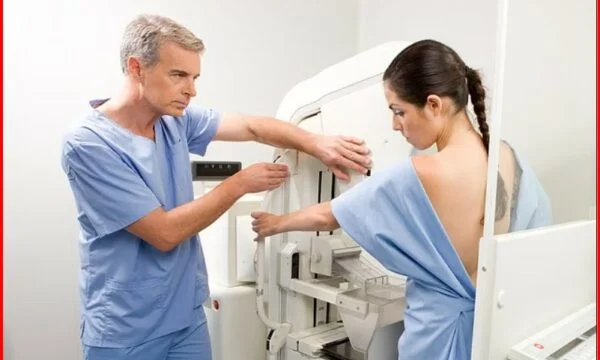
A group of inexpensive drugs already used by the UK health service to treat cholesterol and some problems related to bile acids may offer a new way to slow the spread of breast cancer.
A University of Virginia study has identified a possible mechanism linking an imbalance in the gut microbiome with the spread of breast cancer to other parts of the body.
Scientists caution, however, that the findings are still at an early stage and the tablets have not been approved as a treatment to prevent metastasis.
How can the gut affect breast cancer?
The gut microbiome consists of billions of microorganisms that play an important role in digestion, metabolism and immune system function.
Previous studies have shown that an imbalance in the microbiome, known as dysbiosis, may be linked to poorer outcomes in breast cancer patients. The new research suggests a possible explanation for this link.
According to the scientists, disruption of the microbiome may weaken the ability of gut bacteria to process bile acids properly. This can cause some primary bile acids to accumulate in the body.
Bile acids are produced by the liver and are essential for fat digestion and metabolism. But when their composition and levels are disrupted, they can trigger harmful inflammation in breast tissue and create conditions that make it easier for cancer cells to spread.
The study focused on hormone receptor-positive breast cancer, known as HR+, which is one of the most common forms of the disease.
Existing drugs may have a new use
The researchers examined a group of drugs known as bile acid sequestrants. These drugs bind to bile acids in the gut and help remove them from the body.
This group includes drugs such as cholestyramine and colesevelam, which are used mainly to lower cholesterol in the UK. They may also be used off-label for some bile acid malabsorption disorders.
The main experiments in the study were conducted in mice. The results showed that the accumulation of bile acids triggered inflammation in the mammary gland and the spread of tumour cells, especially to the lungs. Binding the bile acids with drugs from this class reduced this process in the experimental model.
The scientists then also analysed medical records of patients with HR+ breast cancer. High levels of biological signals associated with bile acids and insulin resistance were linked to lower survival.
Patients with metastatic disease who had taken bile acid sequestrants for other health problems tended to live longer.
However, this was only an association observed in the medical records. It does not prove that the drugs directly caused the improvement in survival.
Clinical trials are needed
“We found that a damaged microbiome loses its ability to regulate the composition of bile acids. This creates an environment throughout the body that favours breast tumour metastasis,” explained the study’s lead researcher, Dr Melanie Rutkowski.
According to her, the spread of cancer could be reduced in the future by restoring beneficial bacteria that process bile acids or by using drugs that bind to and remove them.
“We now want to find out whether these existing drugs can prevent cancer from spreading in the first place,” Rutkowski said.
If the results are confirmed in clinical trials, the drugs could offer a relatively inexpensive and well-tolerated way to reduce the risk of metastasis. But at present, they should not be used against breast cancer outside a clinical trial or without a specialist’s guidance.
These drugs can cause side effects, affect vitamin absorption and interact with other medicines.
Why is this discovery important?
Breast cancer is the most common cancer in women in the United Kingdom, where around 59,000 new cases are diagnosed each year.
The disease becomes much more difficult to treat once it spreads to other parts of the body, such as the lymph nodes, lungs, bones, liver or brain.
The study raises the possibility that bile acid levels could be used in the future to identify patients at higher risk. It also suggests that changing their composition could become a new treatment target.
For now, the discovery should be considered promising, but not a proven cure. Patients should not change their treatment or take bile acid sequestrants without consulting their oncologist.
Related

Lifestyle
How to remove an eyelash from your eye without harming it? Doctor explains the safe way

Lifestyle
Are Suspended Ceilings Going Out of Fashion? A New Trend Transforms the Room, but Has One Drawback

Lifestyle
Yellow and Brown Stains on the Ceiling: Why New Paint Isn’t Enough and What Helps
Lifestyle
How to remove marker stains from granite countertops without damaging the surface

Lifestyle
Car windows fogging up in the cold? An ingredient you have in your kitchen may help

Lifestyle
Dogs Have Exceptional Hearing: From How Far Away Can They Recognize Your Car, and Can They Sense an Earthquake?

Lifestyle
10 Negative Consequences of Being Too Kind

Lifestyle
Mistakes That Cause Clothes to Smell Unpleasant After Washing

Lifestyle
You brush your teeth every day, but are you doing it correctly?

Lifestyle
Where Does Happiness Lie?

Lifestyle
Why Isn’t an Orchid Blooming Even Though It Looks Healthy? 5 Changes in Care That Make a Big Difference

Lifestyle
How Much Protein Do Women Need Every Day to Maintain Their Health?





