
With the start of the summer holidays, many parents face the same challenge at the dinner table – children who refuse to eat vegetables or try new foods. Experts and parents share some practical tips on how meals can be made more enjoyable and free of constant arguments with children. Change the way you serve […]
Child Refusing Vegetables? These Are the Tricks Parents Are Using
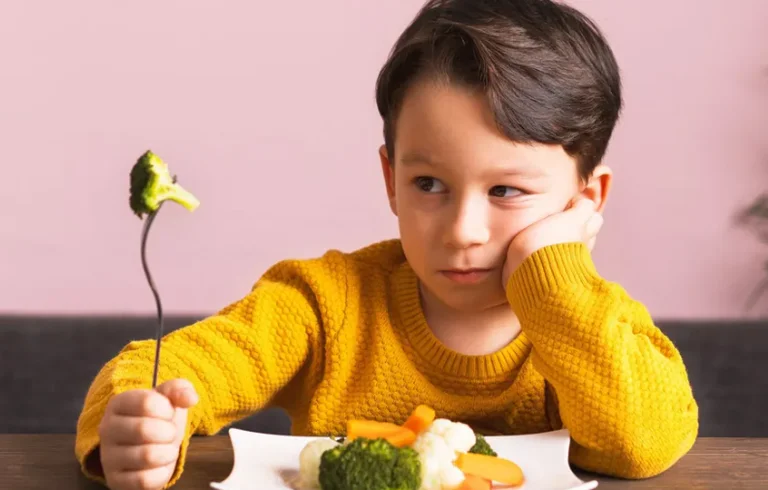
With the start of the summer holidays, many parents face the same challenge at the dinner table – children who refuse to eat vegetables or try new foods.
Experts and parents share some practical tips on how meals
can be made more enjoyable and free of constant arguments with children.
Change the way you serve vegetables
Often, the problem is not the vegetable itself, but the way it is offered. Some parents say children are more likely to accept vegetables when they are prepared in more appealing ways, BBC writes.
A mother from London says she makes vegetable “croquettes” for her children, while she combines green beans, cauliflower and other vegetables with a little butter and breadcrumbs.
Some parents also suggest including vegetables in foods children already like, such as pasta, sauces or meat dishes.
Don’t force children to finish their plates
One of the main recommendations is to avoid putting pressure on children while they eat.
“When they’re hungry, they’ll eat. I don’t force them to finish everything, because that can create pressure,” says one mother.
She suggests that even if a child refuses a food, it should remain on the plate so the child can get used to its presence.
Don’t give up after the first try
Children may need several attempts before getting used to a new food. According to some studies, it can take up to 15 tries for a child to start liking a food.
Parents are advised to keep offering new foods without forcing them, as refusal is often linked to the food’s color, texture or taste.
Experts say picky eating is common among children and, in many cases, improves over time. However, if a child avoids many foods and this affects their health, medical advice should be sought.
Make food a family activity
Children also learn by watching their parents. Specialists recommend that families eat together and that children see adults eating the same foods.
Involving children in preparing food, choosing fruit or shopping for groceries can make them more interested in trying new foods.
Another tip is to be mindful of portion sizes.
“Plates shouldn’t be piled too high, because too much food can seem frightening or overwhelming to a child,” parents say.
Be mindful of snacks between meals
Snacks can affect children’s appetite at mealtimes. Parents are advised not to overdo snacks between meals, but to offer healthier alternatives, such as fruit or chopped vegetables.
Experts emphasize that during the six weeks of the summer holidays, perfection should not be expected, but rather an overall balance in children’s diets
Related

Lifestyle
How to remove an eyelash from your eye without harming it? Doctor explains the safe way

Lifestyle
Are Suspended Ceilings Going Out of Fashion? A New Trend Transforms the Room, but Has One Drawback

Lifestyle
Yellow and Brown Stains on the Ceiling: Why New Paint Isn’t Enough and What Helps

Lifestyle
How to remove marker stains from granite countertops without damaging the surface

Lifestyle
Car windows fogging up in the cold? An ingredient you have in your kitchen may help

Lifestyle
Dogs Have Exceptional Hearing: From How Far Away Can They Recognize Your Car, and Can They Sense an Earthquake?

Lifestyle
10 Negative Consequences of Being Too Kind

Lifestyle
Mistakes That Cause Clothes to Smell Unpleasant After Washing

Lifestyle
You brush your teeth every day, but are you doing it correctly?

Lifestyle
Where Does Happiness Lie?

Lifestyle
Why Isn’t an Orchid Blooming Even Though It Looks Healthy? 5 Changes in Care That Make a Big Difference

Lifestyle
How Much Protein Do Women Need Every Day to Maintain Their Health?





