
In our adult lives, the most important relationship is the one we have with ourselves. We are supposed to have acquired enough knowledge and experience to act of our own free will, which we sometimes use, consciously or unconsciously, by taking steps that damage our relationship with ourselves In our adult lives, the relationship […]
6 factors that damage your relationship with yourself
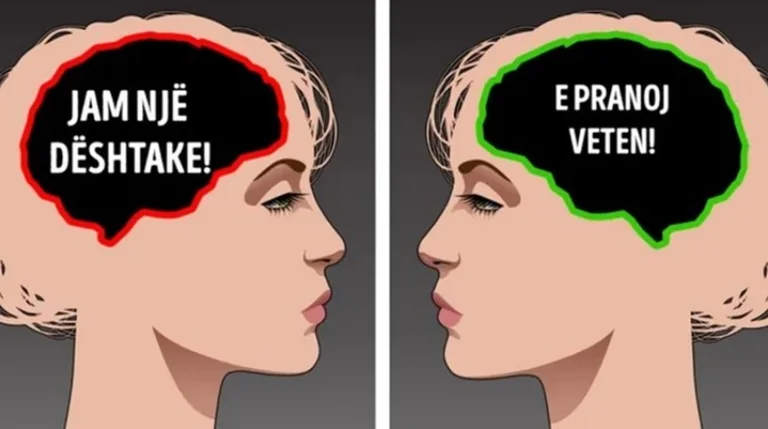
In our adult lives, the most important relationship is the one we have with ourselves. We are supposed to have acquired enough knowledge and experience to act of our own free will, which we sometimes use, consciously or unconsciously, by taking steps that damage our relationship with ourselves
In our adult lives, the most important relationship is the one we have with ourselves. We are supposed to have acquired enough knowledge and experience to act of our own free will, which we sometimes use, consciously or unconsciously, by taking steps that damage our relationship with ourselves.
Psychological dependence
Psychological dependence is one of those factors that damage our relationship with ourselves. It arises from a feeling of inadequacy, whether conscious or unconscious. The person sees themselves as someone who needs support and protection, without realizing that this need is fictitious and that the only thing it does is limit their independence, and considerably so.
Not living in the present, one of the factors that damages our relationship with ourselves
Not living in the present is a kind of alienation. Today is the time in which the past and the future have condensed. Everything that is not present exists only in our minds, either in the form of memories or in the form of predictions.
An excessive sense of duty
In reality, we all attach the label of obligation to far more tasks than are inherently of this nature. In many cases, that “should” exists only in our imaginary world. It is just an option we have chosen and that ultimately represents no obligation at all.
Self-blame
It involves taking on responsibilities that are not yours or creating role models in which you demand more of yourself than you can give. It is undoubtedly one of the factors that damage your relationship with yourself, because you end up being an unforgiving judge of your actions, and even your thoughts and desires.
Believe in luck
Belief in luck, and overestimating its influence, makes us even more passive. At the same time, it also tends to make us more superstitious, leading us to spend our resources taking actions that are not actually connected to the course of events.
Being prejudiced
Prejudices are fixed ideas that allow us to deal with simple realities, with few nuances, reducing our cognitive expenditure at the cost of increasing the risk of making mistakes. They are generalizations, often assumed uncritically, either because they come from people we trust, from powerful sources of influence, or from times when we did not have many resources to analyze them.
Related

Psychologist
Are We Really Hungrier in Winter: Cold Is Not the Only Reason

Psychologist
10 Negative Consequences of Being Too Kind

Psychologist
Why do two people remember the same event completely differently: Is one of them lying?

Psychologist
10 Traits of Smart People That Have Nothing to Do with Intelligence

Psychologist
Almost Everyone Tends to Walk Left Unconsciously – The Discovery That Is Astonishing Physicists

Psychologist
Symptoms of mental illnesses that look like normal behavior

Psychologist
Are you constantly afraid that you are ill? When concern about your health turns into anxiety

Psychologist
10 Habits That Destroy the Brain

Psychologist
From Struggling to Ask for Help to Self-Doubt: Signs of Being Misunderstood in Childhood

Psychologist
Don’t recognize yourself anymore? Six changes in your behavior may reveal that you’re under major stress

Psychologist
Do you keep saying “I’m fine” while suffering inside? Here’s what happens to your body when you bottle up your emotions

Psychologist
When They Don’t Reply, the Mind Starts Making Up Scenarios: How Anxious Attachment Can Wear Down a Relationship





