
Emotional pain can also cause physical symptoms – here’s when it is a normal part of grief and when to seek help. When sadness becomes so intense that it feels physically painful, the first reaction is often to hide it, suppress it and carry on as if nothing has happened. But sadness is a natural response to loss, disappointment and painful experiences, and is not necessarily a sign of a psychological disorder. Grief is […]
Can we “die” of grief? What happens to the body when sadness becomes overwhelming

Emotional pain can also cause physical symptoms – here’s when it is a normal part of grief and when to seek help.
When sadness becomes so intense that it feels physically painful, the first reaction is often to hide it, suppress it and carry on as if nothing has happened. But sadness is a natural response to loss, disappointment and painful experiences, and is not necessarily a sign of a psychological disorder.
Sadness is also part of life
The loss of a loved one, a breakup, divorce, job loss, the end of a friendship, financial problems or unmet expectations can cause deep grief. There is no single “right” way to experience loss: some people cry, some seek solitude, while others carry on with their daily routine, even though they feel empty inside. The NHS notes that grief after a loss can manifest in very different ways from one person to another.
The pressure to be constantly strong or happy can make it harder to accept painful emotions. But emotions do not disappear just because we decide not to show them.
Don’t suppress what you feel
Allowing yourself to experience sadness does not mean giving in to despair. It can help to talk to someone you trust, cry, write down your thoughts or simply acknowledge: “Yes, I’m going through a difficult time right now.”
Grief also has no set timeline for everyone. It can come in waves: one day you feel better, while a song, photograph, scent or anniversary can bring back intense emotions, Telegrafi reports.
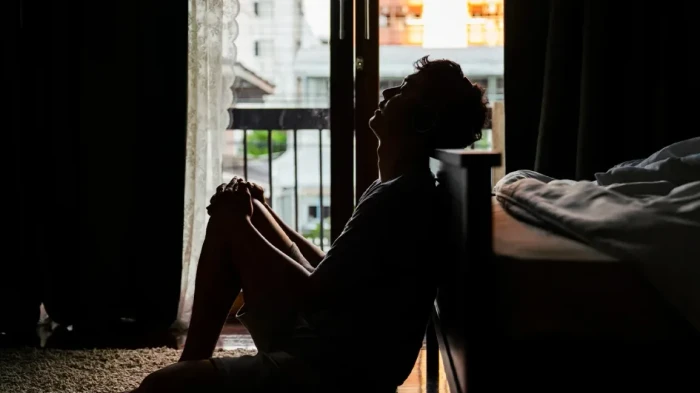
Sadness and depression are not the same thing
Sadness is an emotion, while depression is a mood disorder with a broader and more persistent pattern of symptoms.
According to the World Health Organization, during a depressive episode, low mood or loss of interest and pleasure is present for most of the day, nearly every day, for at least two weeks. Fatigue, sleep and appetite disturbances, difficulty concentrating, feelings of worthlessness, hopelessness and thoughts of death may also occur.
Can we “die of sadness”?
The phrase “my heart is broken” is not entirely without a physiological basis. Very intense emotional stress can be accompanied by physical symptoms, and there is also a rare condition called Takotsubo cardiomyopathy, or “broken heart syndrome”.
According to the U.S. National Heart, Lung, and Blood Institute (NHLBI), this condition can occur after extreme emotional or physical stress and temporarily affects the functioning of the heart muscle. Chest pain or difficulty breathing require urgent medical evaluation, because the symptoms can resemble those of a serious heart problem.
So, we do not “die of sadness” in the usual sense of the phrase, but very severe emotional stress can genuinely affect physical and mental health.
When to seek help
If sadness becomes so intense or prolonged that it interferes with sleep, eating, work, relationships or daily functioning, it is reasonable to seek professional help. Thoughts of self-harm, death or suicide should always be taken seriously and require immediate help.
Sadness is not weakness. It often shows that we have lost something that mattered to us. Accepting it, experiencing it and seeking support when it becomes too overwhelming are part of taking care of yourself. /Telegrafi/
Related

Psychologist
Are We Really Hungrier in Winter: Cold Is Not the Only Reason
Psychologist
10 Negative Consequences of Being Too Kind

Psychologist
Why do two people remember the same event completely differently: Is one of them lying?

Psychologist
10 Traits of Smart People That Have Nothing to Do with Intelligence

Psychologist
Almost Everyone Tends to Walk Left Unconsciously – The Discovery That Is Astonishing Physicists
Psychologist
Symptoms of mental illnesses that look like normal behavior

Psychologist
Are you constantly afraid that you are ill? When concern about your health turns into anxiety

Psychologist
10 Habits That Destroy the Brain

Psychologist
From Struggling to Ask for Help to Self-Doubt: Signs of Being Misunderstood in Childhood

Psychologist
Don’t recognize yourself anymore? Six changes in your behavior may reveal that you’re under major stress
Psychologist
Do you keep saying “I’m fine” while suffering inside? Here’s what happens to your body when you bottle up your emotions

Psychologist
When They Don’t Reply, the Mind Starts Making Up Scenarios: How Anxious Attachment Can Wear Down a Relationship





