
After a breakup or the loss of a partner, many people discover that they have lost more than just their marriage – some friends begin treating them completely differently When I first taught a course on life without a partner, in 1999, a graduate student told me a story that left me speechless. Her mother and her romantic partner spent almost every weekend with another couple. When they separated, she called the other woman to tell her what had happened.
Divorced people and widows understand this side of marriage that many couples notice too late
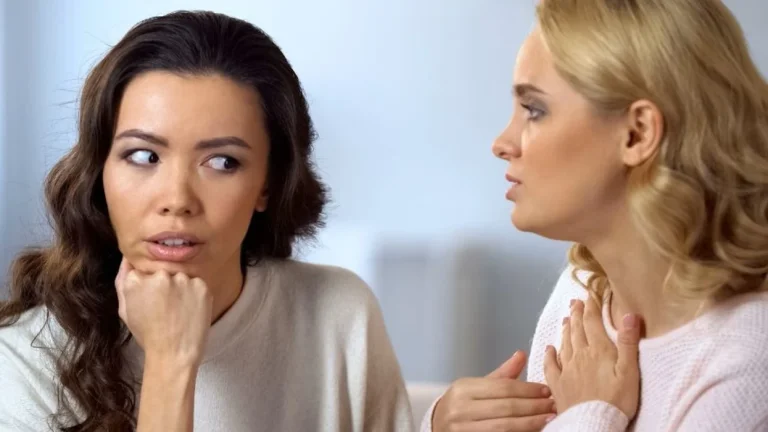
After a breakup or the loss of a partner, many people discover that they have lost more than just their marriage – some friends begin treating them completely differently
When I first taught a course on life without a partner, in 1999, a graduate student told me a story that left me speechless. Her mother and her romantic partner spent almost every weekend with another couple. When they separated, she called the other woman to tell her what had happened.
Her friend expressed understanding and support, but at the end of the conversation told her she was sorry they would not be seeing each other that weekend.
The two women had built a lasting friendship, but as soon as one of them was left without a partner, she was no longer considered a natural part of the couple’s social circle.
This story illustrates something that divorced people or those who have lost a spouse may only realize after they are left alone: some couples do not notice how easily they sideline friends who are not in a relationship.
What they understand after a marriage ends
In an article published in the Journal of Family Theory and Review, Ashley E. Ermer and Jaclyn Elisa Keenoy of Montclair State University suggest that people who have recently been left alone may become much more sensitive to bias and discrimination against people without partners.
According to them, married people often do not realize that they themselves may be reinforcing this phenomenon until, after a divorce or the loss of a spouse, they find themselves in the same position.
Studies have shown that the loss of a spouse is among life’s most difficult events. In addition to emotional pain, a person may also face major changes in their social life and support network.
The researchers also mention the phenomenon known as “couple retreat”: as a relationship becomes more serious, partners tend to spend more and more time with each other and less time with friends or other important people in their lives.
When friends without partners are left on the sidelines
Couples often tend to socialize with other couples. For friends who are single, this can mean a noticeable change: shared dinners and activities may give way to less frequent get-togethers, or they may stop being invited altogether.
If coupledom is seen as a kind of “exclusive club,” people without partners may feel excluded, even when they have had close friendships for years.
But the consequences are not limited to hurt feelings. As Ermer and Keenoy point out, being marginalized by friends and relatives can also mean losing social support, forcing those who are left alone to rebuild their social network.
Those who have invested in friendships, family, interests, and different social relationships usually adapt more easily. Instead of focusing their entire lives on “the one person,” they have built a wider circle of important people.
Divorce and widowhood bring a marriage to an end in completely different ways, but in both cases the support of family and friends remains particularly important.
Related

Lifestyle
How to remove an eyelash from your eye without harming it? Doctor explains the safe way

Lifestyle
Are Suspended Ceilings Going Out of Fashion? A New Trend Transforms the Room, but Has One Drawback

Lifestyle
Yellow and Brown Stains on the Ceiling: Why New Paint Isn’t Enough and What Helps

Lifestyle
How to remove marker stains from granite countertops without damaging the surface
Lifestyle
Car windows fogging up in the cold? An ingredient you have in your kitchen may help

Lifestyle
Dogs Have Exceptional Hearing: From How Far Away Can They Recognize Your Car, and Can They Sense an Earthquake?

Lifestyle
10 Negative Consequences of Being Too Kind

Lifestyle
Mistakes That Cause Clothes to Smell Unpleasant After Washing

Lifestyle
You brush your teeth every day, but are you doing it correctly?

Lifestyle
Where Does Happiness Lie?
Lifestyle
Why Isn’t an Orchid Blooming Even Though It Looks Healthy? 5 Changes in Care That Make a Big Difference

Lifestyle
How Much Protein Do Women Need Every Day to Maintain Their Health?





