
The persistent fear of poverty or financial ruin, known as peniaphobia, is growing rapidly and, according to psychologists, is turning into a major mental health crisis. Unlike ordinary financial stress, which varies depending on economic circumstances, peniaphobia creates a persistent state of anxiety and fear that may […]
Psychologists: Fear of poverty is becoming a major mental health crisis
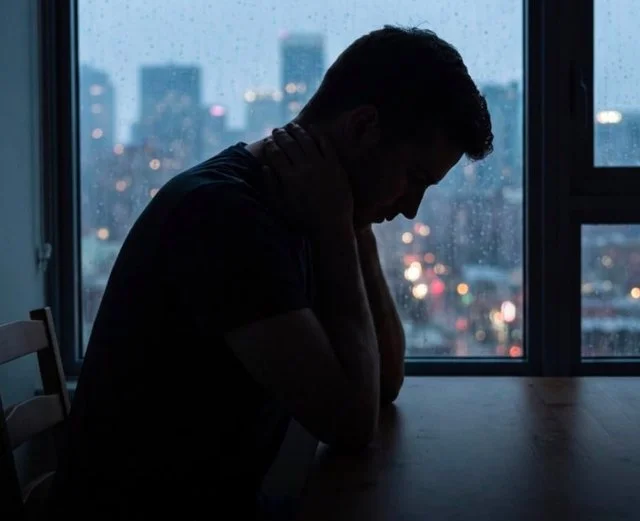
The persistent fear of poverty or financial ruin, known as peniaphobia, is growing rapidly and, according to psychologists, is turning into a major mental health crisis.
Unlike ordinary financial stress, which varies depending on economic circumstances, peniaphobia creates a persistent state of anxiety and fear that can continue even when a person’s income and savings are stable.
Mental health experts and economists emphasize that simply anticipating future financial hardship can have as much of a negative impact on psychological well-being as experiencing actual poverty.
Studies show that fear of unemployment and economic insecurity can cause severe anxiety, sleep disorders, and a decline in cognitive abilities, even among people who currently have secure jobs.
From a broader perspective, specialists argue that this increase in anxiety is not always an individual phobia, but also a rational response to an increasingly uncertain economic environment. With the continued rise in the costs of housing, health care, education, and pensions, many people see economic decline as a real risk rather than a distant possibility.
When life’s basic necessities seem uncertain, the fear of financial ruin can become a deeply rooted survival mechanism.
According to experts, addressing this modern “epidemic” of financial anxiety requires a two-pronged approach: professional mental health support to manage excessive anxiety, and economic reforms that strengthen financial security for people facing ever-higher living costs.
Related

Psychologist
Are We Really Hungrier in Winter: Cold Is Not the Only Reason

Psychologist
10 Negative Consequences of Being Too Kind

Psychologist
Why do two people remember the same event completely differently: Is one of them lying?

Psychologist
10 Traits of Smart People That Have Nothing to Do with Intelligence

Psychologist
Almost Everyone Tends to Walk Left Unconsciously – The Discovery That Is Astonishing Physicists

Psychologist
Symptoms of mental illnesses that look like normal behavior

Psychologist
Are you constantly afraid that you are ill? When concern about your health turns into anxiety

Psychologist
10 Habits That Destroy the Brain

Psychologist
From Struggling to Ask for Help to Self-Doubt: Signs of Being Misunderstood in Childhood

Psychologist
Don’t recognize yourself anymore? Six changes in your behavior may reveal that you’re under major stress

Psychologist
Do you keep saying “I’m fine” while suffering inside? Here’s what happens to your body when you bottle up your emotions

Psychologist
When They Don’t Reply, the Mind Starts Making Up Scenarios: How Anxious Attachment Can Wear Down a Relationship





