
From a lack of motivation to fatigue and irritability, getting back into a routine can affect your mood for several days. The holidays are over, the suitcases have been unpacked, the photos are still on your phone, and the next morning the alarm, work, traffic and responsibilities await us. Instead of returning rested and full of energy, we may feel unmotivated, irritable, […]
Why do we feel down as soon as the holidays are over? This feeling is more common than you think

From a lack of motivation to fatigue and irritability, getting back into a routine can affect your mood for several days.
The holidays are over, the suitcases have been unpacked, the photos are still on your phone, and the next morning the alarm, work, traffic and responsibilities await us. Instead of returning rested and full of energy, we may feel unmotivated, irritable, tired and inexplicably sad.
Sometimes getting back to everyday life feels harder than the period before the holidays.
Why does returning from a holiday weigh on us so much?
This drop in mood after a holiday is often informally called “post-holiday depression” or post-vacation blues. It is not a specific psychiatric diagnosis, but the feeling is real, and many people need a few days to readjust to their usual pace.
During the holidays, almost our entire routine changes: we wake up later, spend more time outdoors, travel, socialize and temporarily free ourselves from many responsibilities.
Then, almost overnight, we return to deadlines, emails, traffic, housework and early mornings. This contrast can cause dissatisfaction and a drop in motivation.
How does “post-holiday depression” manifest?
For some people, it is just a bad mood on the first day back at work, while others need more time to get back into their rhythm.
Symptoms may include:
- lack of will and motivation
- sadness or a feeling of emptiness
- irritability
- difficulty concentrating
- fatigue and drowsiness
- disrupted sleep patterns
- feeling overwhelmed
- nostalgia for the places and people from the holiday
- a strong desire to “escape” everyday life again.
These concerns are usually temporary and ease as routine returns, Telegrafi reports.
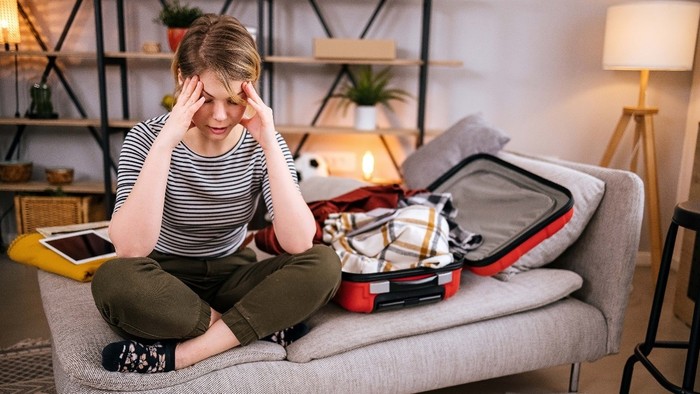
Is returning on Sunday evening a bad idea?
Many people return from a trip on Sunday evening and have to get up for work just a few hours later. When possible, it can help to leave at least one day between returning from a holiday and going back to work.
That day can be used to unpack, stock up on groceries, get back into a regular sleep schedule and spend some quiet time at home.
Don’t try to do everything on the first day
One of the most common mistakes is trying to reply to every email immediately, finish all the accumulated tasks and get the house back in perfect order.
It is better to set priorities and gradually return to your responsibilities. Regular sleep, physical activity, spending time outdoors and connecting with people close to you can help restore balance.
Pleasant activities should not remain just part of the holiday. Walks, nature, dinner with friends or a few hours without your phone can be part of an ordinary week.
Perhaps the problem is not just that the holiday is over
If just thinking about work causes severe distress, if fatigue returns as soon as you enter the workplace, or if you spend the whole year waiting for your next holiday, it is worth considering what is weighing you down in everyday life.
The cause may be chronic stress, overload, dissatisfaction with work or a lack of balance between professional and private life.
“Post-holiday depression” should not be confused with clinical depression. If sadness, loss of interest, pronounced fatigue or sleep problems persist for weeks, worsen or significantly affect daily functioning, you should seek professional help. /Telegrafi/
Related

Psychologist
Are We Really Hungrier in Winter: Cold Is Not the Only Reason

Psychologist
10 Negative Consequences of Being Too Kind

Psychologist
Why do two people remember the same event completely differently: Is one of them lying?

Psychologist
10 Traits of Smart People That Have Nothing to Do with Intelligence

Psychologist
Almost Everyone Tends to Walk Left Unconsciously – The Discovery That Is Astonishing Physicists
Psychologist
Symptoms of mental illnesses that look like normal behavior

Psychologist
Are you constantly afraid that you are ill? When concern about your health turns into anxiety

Psychologist
10 Habits That Destroy the Brain

Psychologist
From Struggling to Ask for Help to Self-Doubt: Signs of Being Misunderstood in Childhood

Psychologist
Don’t recognize yourself anymore? Six changes in your behavior may reveal that you’re under major stress
Psychologist
Do you keep saying “I’m fine” while suffering inside? Here’s what happens to your body when you bottle up your emotions

Psychologist
When They Don’t Reply, the Mind Starts Making Up Scenarios: How Anxious Attachment Can Wear Down a Relationship





