
A frequent feeling of cold in the hands and feet may simply be the result of lower temperatures and can be addressed by wearing warmer clothes. However, if your extremities are cold even when you are warm enough, this may indicate a health problem such as poor circulation […]
Why Do Your Hands and Feet Often Get Cold?
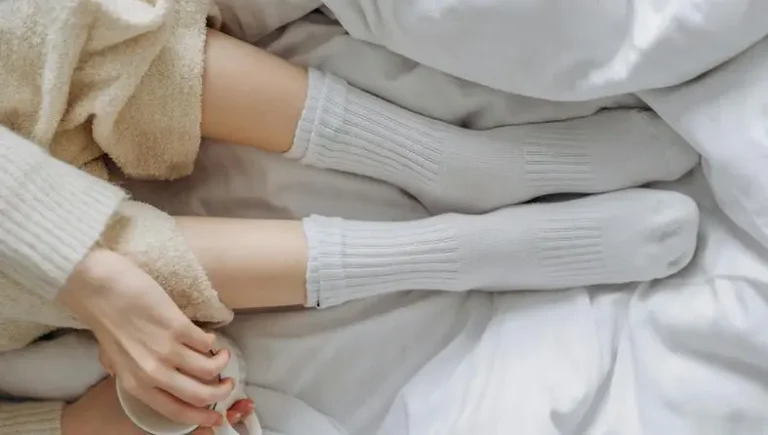
A frequent feeling of cold in the hands and feet may simply be the result of lower temperatures and can be addressed by wearing warmer clothes. However, if your extremities are cold even when you are warm enough, this may indicate a health problem such as poor blood circulation or thyroid dysfunction. In such cases, it is advisable to seek medical help, writes Health.com.
The problem can often be alleviated by making simple lifestyle changes. It is recommended that you quit smoking, dress in layers, and avoid cold temperatures whenever possible. It is also important to move regularly, for example, by getting up from your desk at least once an hour and drinking enough fluids. Wearing warm, protective clothing and shoes also helps maintain body temperature.
Medical treatment
If the cause of cold extremities is a medical problem, your doctor will determine the appropriate therapy. Depending on the diagnosis, treatment may include diabetes medication, supplements such as iron, folic acid, or vitamin B12 to treat anemia, and levothyroxine to regulate thyroid hormones. Your doctor may also recommend lifestyle changes.
What causes cold hands and feet?
Hands and feet can be cold for a variety of reasons, from environmental factors to underlying medical conditions. One of the most common is exposure to cold temperatures, when the body reduces blood flow to the extremities to conserve heat and direct it toward vital organs.
Poor blood circulation is also a common cause. It can be caused by vasoconstriction, or narrowing of the arteries, or by vaso-occlusion, which is the physical blockage of blood vessels. In both cases, blood flow is reduced or blocked. Anemia, a condition in which the body does not have enough red blood cells to transport oxygen, also leads to poor circulation. It is most often caused by a lack of iron or vitamin B12.
Diabetes can also be a cause; it occurs when the body does not produce enough insulin or does not use it properly to regulate blood sugar. High blood glucose levels can damage nerves over time and reduce your sensation of temperature, and they can also affect blood flow. Other symptoms of diabetes include increased thirst, fatigue, frequent urination, headaches, and unexplained weight loss.
Hypothyroidism, a condition in which the thyroid gland is underactive, may be responsible for feeling cold. This gland regulates body temperature and, when it is underactive, tingling and numbness occur in the hands and feet, often accompanied by weight gain, fatigue, and constipation.
Raynaud’s syndrome is characterized by extreme sensitivity to cold. The fingers and toes, and sometimes the nose and ears, may turn white or blue and become numb. Smoking also contributes to the problem. Nicotine from tobacco products constricts blood vessels and lowers the temperature in the fingers, and it can also cause Buerger’s disease, which manifests as cold hands and feet.
When should you see a doctor?
Cold hands and feet are usually not a cause for concern. Medical attention is generally not necessary unless other symptoms appear that may indicate an illness. Be sure to see a doctor if cold extremities interfere with your daily life. Your doctor may order tests and, based on the diagnosis, prescribe medication or dietary supplements, or recommend lifestyle changes.
Related

Lifestyle
How to remove an eyelash from your eye without harming it? Doctor explains the safe way

Lifestyle
Are Suspended Ceilings Going Out of Fashion? A New Trend Transforms the Room, but Has One Drawback

Lifestyle
Yellow and Brown Stains on the Ceiling: Why New Paint Isn’t Enough and What Helps

Lifestyle
How to remove marker stains from granite countertops without damaging the surface

Lifestyle
Car windows fogging up in the cold? An ingredient you have in your kitchen may help

Lifestyle
Dogs Have Exceptional Hearing: From How Far Away Can They Recognize Your Car, and Can They Sense an Earthquake?

Lifestyle
10 Negative Consequences of Being Too Kind

Lifestyle
Mistakes That Cause Clothes to Smell Unpleasant After Washing

Lifestyle
You brush your teeth every day, but are you doing it correctly?

Lifestyle
Where Does Happiness Lie?

Lifestyle
Why Isn’t an Orchid Blooming Even Though It Looks Healthy? 5 Changes in Care That Make a Big Difference

Lifestyle
How Much Protein Do Women Need Every Day to Maintain Their Health?





