
Social media is increasingly fueling the trend for “perfect skin” and complicated routines to achieve so-called “glass skin” among teenagers. Many of them are trusting the advice of influencers in “Get Ready With Me” (GRWM) videos instead of following professionals’ recommendations. But do teenagers really need […]
This Is the Simple Anti-Acne Routine for Teenagers
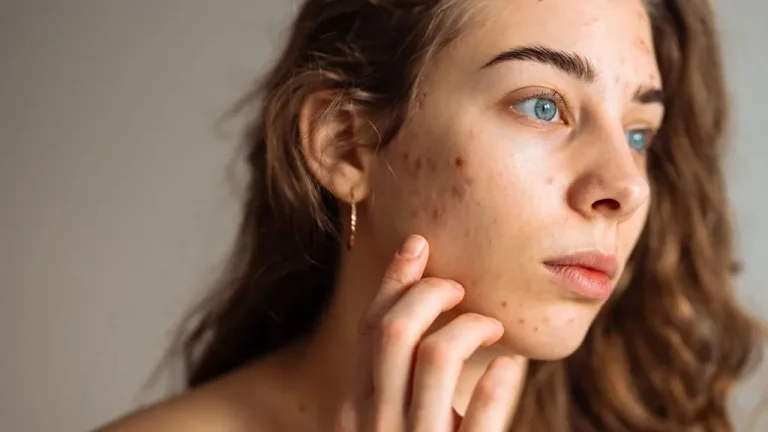
Social media is increasingly fueling the trend for “perfect skin” and complicated routines to achieve so-called “glass skin” among teenagers.
Many of them are trusting the advice of influencers in “Get Ready With Me” (GRWM) videos instead of following professionals’ recommendations.
But do teenagers really need a multi-step skincare routine?

For consultant dermatologist Dr. Jonathan Kentley, one of the most worrying effects of social media is constant exposure to “images of unrealistic beauty standards”.
“I’ve seen thousands of patients and I’ve never seen anyone with ‘glass skin’. I don’t think it exists, and it’s simply these heavily filtered images that make children think this is something achievable, when in reality it isn’t”, he says.
Visible pores, blackheads, pimples, spots, redness and marks on the skin are completely normal during adolescence, says Dr. Kentley. However, he points out that what is considered “normal” varies from person to person.
“I don’t think there’s anything that can truly be called abnormal”.
More than 80% of young people aged 13 to 18 experience acne during their teenage years.
Consultant dermatologist Dr. Zainab Laftah explains that most skin problems that appear during puberty are linked to testosterone, which drives an increase in oil production in the skin and the appearance of acne.
Boys may experience these problems more often, but girls also produce testosterone and can therefore have many of the same symptoms.
“This process, together with blocked hair follicles and inflammation, leads to blackheads, whiteheads and inflamed pimples. Acne is very, very common, it’s normal and it can be treated”, explains Dr. Laftah.
Salicylic acid is helpful, but don’t overdo it
Salicylic acid is a common active ingredient that penetrates oil-filled pores and helps remove the buildup of sebum and dead skin cells.
“It can be particularly helpful for teenagers with oily or acne-prone skin”, says Dr. Laftah.
However, she warns that unnecessary or excessive use can cause dryness and irritation.
If a teenager is dealing with severe acne or other serious skin problems, Dr. Kentley advises seeking help from a family doctor or dermatologist instead of following social media advice about how to treat it.

5 expert tips for teenage skincare
- Keep your routine as simple as possible
Three basic products are enough: a gentle cleanser, a fragrance-free moisturizer and a broad-spectrum sunscreen with SPF 30 or higher.
- More products don’t necessarily mean healthier skin
A complicated routine involving frequent exfoliation or strong acids can irritate young skin. Experts point out that the skin’s protective barrier is still developing, and using too many products can damage it.
Dr. Kentley says he has noticed a significant rise in cases of perioral dermatitis among teenagers, which is linked to the excessive use of ingredients that damage the skin barrier, such as exfoliating hydroxy acids and retinoids.

Dr. Laftah adds that teenagers are increasingly adopting routines similar to those of adults, with serums, toners, masks and numerous active ingredients.
“These active ingredients can damage the skin barrier and lead to other skin problems”, she explains.
- Getting enough sleep and eating a balanced diet are important
High cortisol levels, which are associated with a diet rich in refined carbohydrates and sugar, as well as lack of sleep, have been linked to breakouts.
Dr. Laftah emphasizes the importance of a good night’s sleep.
“We know that lack of sleep increases cortisol levels, which is a stress hormone and can lead to acne breakouts”, she says.
Meanwhile, Dr. Kentley says studies have linked diets rich in carbohydrate foods, such as white rice and pasta, high-sugar diets, as well as whey protein found in some protein drinks, with worsening acne.
However, he points out that everyone’s skin is individual and that “some people may find that other things make their skin condition worse”.
- Don’t squeeze or touch your pimples
Squeezing pimples can increase inflammation by pushing their contents deeper into the skin. This can lead to scarring and changes in skin color.
- Consult a doctor or dermatologist
If acne is persistent, painful, cystic or has started to leave scars, medical advice should be sought, as prescription treatment is often necessary.

Regarding boys:
Many skin problems during adolescence are linked to androgens, a group of hormones also found in girls but more prevalent in boys.
“That’s why men’s skin can sometimes be a little oilier and more pimples can appear. They also experience facial hair growth during this period and begin shaving, which can cause irritation”, explains Dr. Kentley.
“If you don’t shave properly, you can develop folliculitis, which is in some ways related to acne. This can cause considerable damage to the skin barrier and a lot of inflammation”, he adds.
Dr. Kentley’s tips for shaving and protecting facial skin:
-Shave after showering, when the skin is warm and has been exposed to steam
-Use a shaving brush to lift the hairs from the skin’s surface.
-Use a lubricating product, such as shaving foam or shower gel.
-Always shave in the direction of hair growth.
Related

Lifestyle
How to remove an eyelash from your eye without harming it? Doctor explains the safe way

Lifestyle
Are Suspended Ceilings Going Out of Fashion? A New Trend Transforms the Room, but Has One Drawback

Lifestyle
Yellow and Brown Stains on the Ceiling: Why New Paint Isn’t Enough and What Helps
Lifestyle
How to remove marker stains from granite countertops without damaging the surface

Lifestyle
Car windows fogging up in the cold? An ingredient you have in your kitchen may help

Lifestyle
Dogs Have Exceptional Hearing: From How Far Away Can They Recognize Your Car, and Can They Sense an Earthquake?

Lifestyle
10 Negative Consequences of Being Too Kind

Lifestyle
Mistakes That Cause Clothes to Smell Unpleasant After Washing
Lifestyle
You brush your teeth every day, but are you doing it correctly?

Lifestyle
Where Does Happiness Lie?

Lifestyle
Why Isn’t an Orchid Blooming Even Though It Looks Healthy? 5 Changes in Care That Make a Big Difference

Lifestyle
How Much Protein Do Women Need Every Day to Maintain Their Health?





