
Although we see it in the sky on most nights, the Moon still holds an extraordinary wealth of mysteries. One such mystery is a large underground cave, or a lava tube carved by ancient lava, which scientists think extends beyond a particular pit on the lunar surface. And to get to the bottom of it […]
NASA Searches for a Secret Underground Cave on the Moon
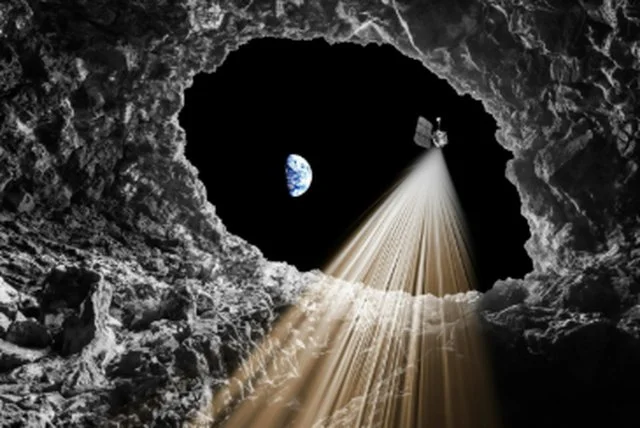
Although we see it in the sky on most nights, the Moon still holds an extraordinary wealth of mysteries.
One such mystery is a large underground cave, or a lava tube carved by ancient lava, which scientists think extends beyond a particular pit on the lunar surface.
And to get to the bottom of it, NASA has selected a project known as GIMLI. The GIMLI project was selected alongside two other programs aimed at expanding our understanding of the Moon to better support a future lunar base, which NASA intends to build near the south pole.
“NASA Science is building the ultimate interplanetary survival guide to ensure science goes first to the lunar surface, providing our future astronaut teams with the vital information, resources and safety precautions they need in advance to survive the night on the Moon,” Nicky Fox, NASA’s associate administrator for the Science Mission Directorate, said in a statement.
Lunar mysteries
The site of this investigation will be the Marius Hills pit, which was discovered in 2009 by the Japanese Kaguya spacecraft orbiting the Moon. You can clearly see the pit in the spacecraft’s images. But researchers think there is more there than just a large hole in the lunar surface.
NASA Searches for a Secret Underground Cave
They think it is possible that the pit is connected to a large underground cave, most likely created by lava flowing in the distant past. If true, this could shed light on the history of volcanic activity on the Moon.
“Confirming a substantial lava tube would give us insight into how volcanism operated on the Moon. Lava tubes are a common feature of basaltic volcanism on Earth, so identifying them on the Moon means we can use our knowledge of such terrestrial caves to better understand lunar history,” GIMLI deputy principal investigator Gareth Morgan said in another statement.
If researchers confirm the presence of this lava tube, astronauts could use it as a natural shelter on the lunar surface.
These lava-formed caves would provide general shelter, as well as protection from the extreme temperatures and radiation exposure experienced on the lunar surface.
Lava tubes could also serve as a kind of safe “bunker” where future astronauts could protect themselves from micrometeorites. While a future base on the Moon will probably have human-built shelters, natural caves could be an extraordinary existing resource that astronauts can take advantage of.
Related

Curiosities
Jordan Blocks Telegram App After Deadly Church Attack to Prevent Extremism

Curiosities
Don’t Rely Only on Mileage: When Should You Change Your Engine Oil?

Curiosities
1979 Porsche 924 returns to the United Arab Emirates Police fleet

Curiosities
Restaurant in Canada bans children under 15, decision sparks debate

Curiosities
12 curiosities from around the world you shouldn’t miss

Curiosities
Why do mosquitoes prefer some people over others? The reason has been revealed

Curiosities
Father and son break Guinness record playing ‘Hungry Hungry Hippos’ blindfolded

Curiosities
Why Are Highway Direction Signs Green in Some Countries and Blue in Others?

Curiosities
What happens when there is a bomb threat on an aircraft?

Curiosities
Wearing boxing gloves and a special costume, this dog became Halloween’s star

Curiosities
After 28 years and 50,000 kilometers, British adventurer Karl Bushby returns home

Curiosities
Considered completely extinct, rare mammal spotted again in the US





