
The aim of investment in the Balkans is better connectivity and preparing these countries for EU membership, Commissioner Johannes Hahn says in an exclusive interview with DW. He also talks about concrete projects. Deutsche Welle: Mr Hahn, are there new impulses and positive expectations for the summit in Trieste? In recent months, relations […]
Hahn: One Billion Euros for the Western Balkans

The aim of investment in the Balkans is better connectivity and preparing these countries for EU membership, Commissioner Johannes Hahn says in an exclusive interview with DW. He also talks about concrete projects.
Deutsche Welle: Mr Hahn, are there new impulses and positive expectations for the summit in Trieste? In recent months, there have been numerous difficulties in relations between the Western Balkans and the EU.
Johannes Hahn: I think the summit in Trieste has been wonderfully prepared by the Italian hosts. We have tried to achieve as many concrete results as possible at this summit. For example, we have prepared a transport agreement for signing. This means that the Western Balkan countries will align themselves with EU laws – which will also strengthen economic relations and give the region new impetus. We will approve a number of projects in the fields of transport and energy, worth around 200 million euros, which could ultimately lead to investments worth around 540 million euros. It is very important here to create a basis for economic growth in the region and for interregional trade, which has great potential. We believe that around 80,000 new jobs will be created in this region in the coming years.
These are good news, but where are the biggest obstacles?
Yes, as always in the region, the biggest problems are with implementation deadlines. There are many promises and agreements, but the implementation of agreements is slower. More commitment is needed here. But this is the situation in the region, and we are used to it. Ultimately, the aim is to open up a prospect for the 20 million people living there, ensure stability and, if you like, guarantee peace in the region.
Stability, security, economic prosperity – you mentioned all of these, but not democracy. It is often said that EU projects are excessively strengthening autocratic structures in the region. What arguments do you have against these claims?
When I talk about stability, this naturally also means strengthening democracy. If people cannot express their opinions freely, if they are not free to act, then they cannot enjoy the values that make Europe so unique. This is also why Europe is so attractive to the Balkan countries, which want to join the EU one day. Economic development is possible only if the rule of law functions. This is because nobody will invest money in the region, neither investors from the region nor those from EU countries, if, for example, the judicial authorities do not function properly.
Concrete projects will be presented at today's summit. Which ones?
We have prepared six specific transport projects, in both the road and rail sectors. The railway project known as “Corridor 8” connects East and West, from Bulgaria to the former Yugoslav Republic of Macedonia. It could then continue to Albania. We are also considering waterways between Bosnia and Herzegovina and Serbia. This is primarily about building ports. All of these are important, as are various road-building projects, for example between Bosnia and Herzegovina and Croatia. These are crucial investments, but they need to be carried out. We will make around 145 million euros available for transport, which could generate total investments of up to 450 million euros. Another energy project is the “Interconnector,” a gas transmission line between Serbia and Bulgaria. An investment of around 50 million euros.
Economic development, transport agreements – all of this sounds almost anachronistic when we look at the open conflicts in relations between the countries of this region. How will you resolve these major problems?
This is in fact the charm of this process, because we say: we want to bring all six Western Balkan countries together, regardless of the stage they have reached in the process of future EU membership. We are currently negotiating with Serbia and Montenegro; we are a long way from doing so with the others. But by making efforts to integrate these countries, which are surrounded by EU member states, into the EU's transport and energy infrastructure, we are creating a basis for their integration into EU structures. In this way, a basis is also created for resolving one conflict or another, or at least for developing a prospect that can work in the future.
What steps need to be taken after the summit?
The agreements need to be implemented. This year I have taken part in the launch of two bridge projects, in Bosnia and Herzegovina and Croatia, as well as in Serbia. We have also financed several projects in the energy sector, which are meant to connect Montenegro with Italy and also Montenegro – through the Balkan countries – with Romania. Something very concrete will happen here in Trieste: this is about supporting small and medium-sized enterprises. At the summit, an agreement will be signed to allocate a budget of 48 million euros, which can be distributed as loans to around 6,000 enterprises. So we are talking about very concrete projects that should help economic development. We will certainly prepare concrete projects for the next summit as well. Because by the end of this decade, we want to allocate around one billion euros to achieve something in this region…
…so that these countries can join the EU?
…so that these countries can prepare for as smooth a transition to the EU as possible.
Johannes Hahn has been the EU Commissioner for European Neighbourhood Policy and Enlargement Negotiations since 2014.
Related
Interview
Sabedini: The Hague trial has lost credibility; I expect an acquittal for the accused
Interview
Ukrainian journalist staying in Kosovo: Serbia is helping Russia with fighters and propaganda
Interview
The Ancient Egyptian Alphabet: What Are Hieroglyphs?
Interview
Kuçi after the cameraman’s arrest: They arrest the cameraman more harshly than the woman’s murderer
Interview
Vjosa as an Instrument
Interview
The mysterious murder of Festim Lato: the “Prime Minister of the Republic of Chameria” speaks
Interview
Sejdiu: The President has no mandate to discuss border correction
Interview
Çollaku: Dialogue should bring everyone together
Interview
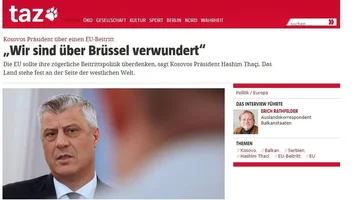
Thaçi to Tageszeitung: Anti-Western ideologies have no chance in Kosovo
Interview
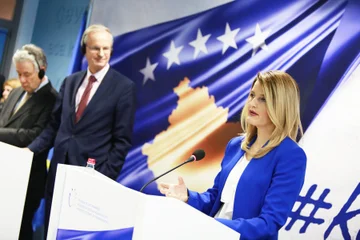
Hoxha: In 2018, we must shift into sixth gear
Interview
“Kosovo cannot progress with this political elite”
Interview
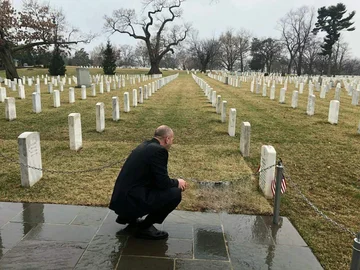
Haradinaj in Tagesspiegel: Kosovo Is Not Yet a Finished Product





