
University professor Musa Sabedini, in an interview with Ekonomia Online, analyzed the court proceedings at the Kosovo Specialist Chambers in The Hague, voicing strong criticism of the way they have been conducted. Referring to his many years of experience following court proceedings during the UNMIK administration, Sabedini believes that this process has been accompanied by […]
Sabedini: The Hague trial has lost credibility; I expect an acquittal for the accused
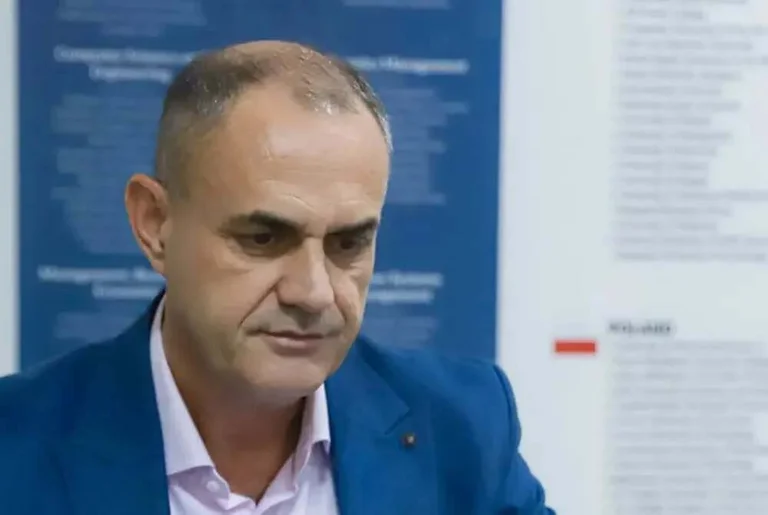
University professor Musa Sabedini, in an interview with Ekonomia Online, analyzed the court proceedings at the Kosovo Specialist Chambers in The Hague, voicing strong criticism of the way they have been conducted.
Referring to his many years of experience following court proceedings during the UNMIK administration, Sabedini believes that this process has been accompanied by a lack of transparency, delays, and serious procedural problems.
In his view, the court’s final assessment should be based solely on verified evidence and credible testimony, and he expresses his conviction that the accused should be acquitted. He also argues that such a ruling, in his view, would have a significant impact on political and institutional developments in Kosovo.
EkonomiaOnline: Mr. Sabedini, how do you assess the court proceedings in The Hague, and what are your concerns, given that you followed hundreds of court proceedings during the UNMIK administration?
Musa Sabedini: From my perspective, the Kosovo Specialist Chambers in The Hague have disappointed the expectations of many Albanian citizens, who believed that this institution would be synonymous with justice, professionalism, fairness, and transparency. On the contrary, these proceedings have been accompanied by numerous dilemmas and doubts, leaving the impression of a process burdened by serious shortcomings.
In my firm belief, materials and testimony have been presented during these proceedings that, in many cases, have raised questions about their credibility. I believe that some of them came from structures linked to Serbia and other networks that, in my assessment, were interested in worsening the position of the accused.
Another concern is the lack of transparency. For someone who closely followed numerous court proceedings during the UNMIK era, the similarities in the way some hearings have been conducted are evident. I have also addressed these matters in my book “The Killing of Justice in Kosovo,” in which I argued that some proceedings administered by UNMIK were marked by prejudice against Albanians and decisions that, in my assessment, did not reflect the highest standards of justice.
EkonomiaOnline: Professor Sabedini, do you believe the Specialist Chambers will deliver a fair ruling in this case?
Sabedini: I hope the trial panel will give due weight to the testimony of credible figures, including political and military figures from NATO and representatives of U.S. institutions, who have testified during these proceedings.
Based on the way I have followed the proceedings, I believe the charges against Hashim Thaçi and the others have not been proven to the standard required in criminal law. For this reason, I expect the final ruling to be an acquittal and for the accused to return to their families.
In my opinion, a contrary ruling would have significant political and moral consequences for Kosovo. It would also give Serbia an opportunity to use these proceedings as an argument in its international narrative against Kosovo.
EkonomiaOnline: From your perspective, how much influence can the prosecution witnesses have on the final ruling?
Sabedini: It is natural for the prosecution to try to support and argue its case. That is its role in every criminal proceeding. However, in my assessment, throughout the trial it has failed to convince the trial panel beyond a reasonable doubt that the accused are responsible for the criminal offences with which they are charged.
There should be no room in justice for conjecture or statements that are not supported by verifiable evidence. Every claim must be consistent with the facts, time, place, and specific circumstances of the events.
For this very reason, I believe the primary responsibility now rests with the trial panel, which must issue a ruling based on the evidence and international standards of justice. In my conviction, an acquittal would be the outcome consistent with the evidence presented during the proceedings.
Related
Interview
Ukrainian journalist staying in Kosovo: Serbia is helping Russia with fighters and propaganda

Interview
The Ancient Egyptian Alphabet: What Are Hieroglyphs?
Interview
Kuçi after the cameraman’s arrest: They arrest the cameraman more harshly than the woman’s murderer
Interview
Vjosa as an Instrument
Interview
The mysterious murder of Festim Lato: the “Prime Minister of the Republic of Chameria” speaks
Interview
Sejdiu: The President has no mandate to discuss border correction
Interview
Çollaku: Dialogue should bring everyone together
Interview
Thaçi to Tageszeitung: Anti-Western ideologies have no chance in Kosovo
Interview
Hoxha: In 2018, we must shift into sixth gear

Interview
“Kosovo cannot progress with this political elite”
Interview
Haradinaj in Tagesspiegel: Kosovo Is Not Yet a Finished Product
Interview
A rare interview with Borges about loneliness and blindness…





