
At the end of October, we will change the clocks again, and as winter time approaches, the question that has sparked debate for years returns: should we change the time at all, and, if this practice is abolished, which time system would be better to keep? Scientists have a fairly clear answer. According to a […]
Why Is Winter Time Better for Your Health? Scientists Find Out
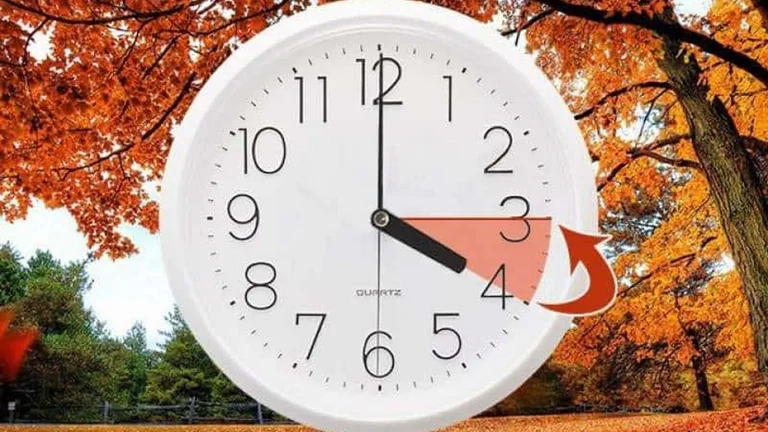
At the end of October, we will change the clocks again, and as winter time approaches, the question that has sparked debate for years returns: should we change the time at all, and, if this practice is abolished, which time system would be better to keep?
Scientists have a fairly clear answer.
According to a new scientific analysis, permanent winter time would be more beneficial to human health than permanent summer time, the Austrian newspaper Heute writes.
Why is winter time better?
Researchers from the University of British Columbia in Canada analyzed previous scientific research on the impact of time on the human body. Their findings, published in the Canadian Medical Association Journal, show that if the seasonal clock change is abolished, it would be better to keep standard, or winter, time permanently.
The main reason is morning light. Our bodies have an internal biological clock that regulates sleep, waking and many other bodily processes. Daylight in the morning helps it adjust to the natural rhythm of day and night, while greater exposure to light in the evening can delay falling asleep.
Therefore, permanent daylight saving time, especially during the winter months, can negatively affect the quality and duration of sleep.
Patrick Baylis of the University of British Columbia explains that opposition to permanent daylight saving time is understandable. People like having more daylight after work or school, but research shows that a later sunrise may be associated with shorter sleep, lower productivity and poorer academic performance.
The problem is dark winter mornings
Scientists are particularly warning about the consequences that permanent daylight saving time could have during winter. In this case, the sun would rise an hour later than under winter time. This means that many students would go to school and workers to work while it is still dark outside. In addition to the possible impact on sleep and concentration, there are also concerns about traffic safety, particularly for children on their way to school.
Some countries have already tried to keep permanent daylight saving time, but have reversed that decision. The United States introduced permanent daylight saving time in 1974, but the decision was reversed that same year. Russia used the same system from 2011 to 2014, after which it returned to standard time. Chile made a similar decision.
When will we change the clocks again?
The change to winter time will take place on Sunday, October 25, 2026. Then, at 3 a.m., the clocks will be set back one hour, to 2 a.m.
This means we will have an extra hour to sleep that night, but it will get dark earlier in the afternoon.
Although abolishing clock changes has been discussed for years, no final decision has yet been made at European Union level. The European Parliament supported a proposal to abolish seasonal clock changes in 2019, but member states have not reached an agreement on whether to keep summer or winter time permanently. So, at least for now, we will continue to change the clocks twice a year.
Related

Curiosities
Jordan Blocks Telegram App After Deadly Church Attack to Prevent Extremism

Curiosities
Don’t Rely Only on Mileage: When Should You Change Your Engine Oil?

Curiosities
1979 Porsche 924 returns to the United Arab Emirates Police fleet

Curiosities
Restaurant in Canada bans children under 15, decision sparks debate

Curiosities
12 curiosities from around the world you shouldn’t miss

Curiosities
Why do mosquitoes prefer some people over others? The reason has been revealed

Curiosities
Father and son break Guinness record playing ‘Hungry Hungry Hippos’ blindfolded

Curiosities
Why Are Highway Direction Signs Green in Some Countries and Blue in Others?

Curiosities
What happens when there is a bomb threat on an aircraft?

Curiosities
NASA Searches for a Secret Underground Cave on the Moon

Curiosities
Wearing boxing gloves and a special costume, this dog became Halloween’s star
Curiosities
After 28 years and 50,000 kilometers, British adventurer Karl Bushby returns home





