
Halloween is celebrated today, October 31, in many countries around the world, with costumes, carved pumpkins and various activities. Although it is now known as a holiday associated with spooky characters, masks and sweets, its roots go back many centuries, to the traditions of the ancient Celtic peoples. The history of Halloween is linked to […]
Halloween Day, from ancient rituals to spooky costumes – the history of the October 31 holiday
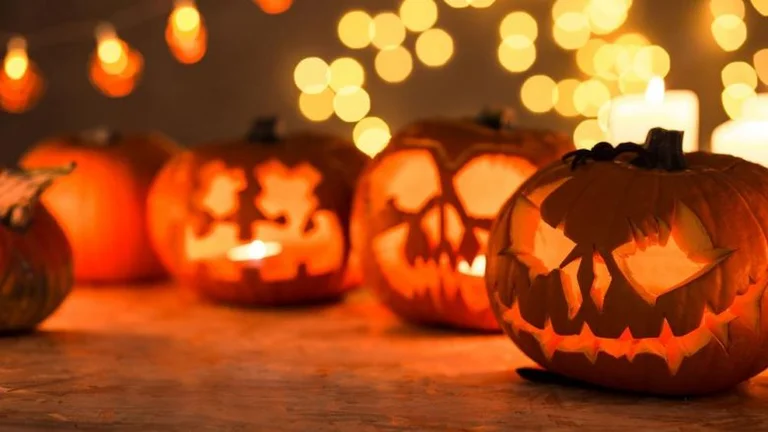
Halloween is celebrated today, October 31, in many countries around the world, with costumes, carved pumpkins and various activities.
Although it is now known as a holiday associated with spooky characters, masks and sweets, its roots go back many centuries, to the traditions of the ancient Celtic peoples.
The history of Halloween is linked to the Samhain festival, which marked the end of the harvest season and the beginning of winter in ancient Ireland and Britain.
According to traditional beliefs, during the night of Samhain the boundary between the world of the living and that of the dead was considered thinner. People lit fires and performed rituals associated with the changing seasons and the spiritual world.
With the spread of Christianity, the traditions of this period became intertwined with religious holidays at the beginning of November, including All Saints’ Day, which is observed on November 1 in the Western tradition.
The name Halloween derives from the English expression “All Hallows’ Eve,” meaning the evening before All Saints’ Day.
Over the centuries, customs associated with this night changed, taking on new forms in different countries.
One of the best-known symbols of Halloween is the carved pumpkin, known as a “jack-o’-lantern.”
This tradition is linked to Irish customs of carving turnips and other vegetables. Over time, especially after the holiday spread to North America, the pumpkin became the main symbol, as it was more widely available and better suited for carving.
Halloween spread widely in the United States during the 19th century, among other things through Irish and Scottish immigrants, who brought their traditions with them.
In the 20th century, the holiday took on an increasingly social and entertaining character, especially for children.
One of the most widespread customs is “trick-or-treat,” when children dressed in costumes knock on people’s doors and ask for sweets.
Today, Halloween has become an internationally recognized event, accompanied by decorations, horror films, costume parties and cultural activities.
However, behind the costumes and illuminated pumpkins lies a long history in which ancient beliefs, religious traditions and modern culture intertwine.
Related

Curiosities
Jordan Blocks Telegram App After Deadly Church Attack to Prevent Extremism

Curiosities
Don’t Rely Only on Mileage: When Should You Change Your Engine Oil?

Curiosities
1979 Porsche 924 returns to the United Arab Emirates Police fleet
Curiosities
Restaurant in Canada bans children under 15, decision sparks debate
Curiosities
12 curiosities from around the world you shouldn’t miss
Curiosities
Why do mosquitoes prefer some people over others? The reason has been revealed

Curiosities
Father and son break Guinness record playing ‘Hungry Hungry Hippos’ blindfolded
Curiosities
Why Are Highway Direction Signs Green in Some Countries and Blue in Others?

Curiosities
What happens when there is a bomb threat on an aircraft?
Curiosities
NASA Searches for a Secret Underground Cave on the Moon

Curiosities
Wearing boxing gloves and a special costume, this dog became Halloween’s star
Curiosities
After 28 years and 50,000 kilometers, British adventurer Karl Bushby returns home





