
29 will mark the International Day Against Nuclear Tests – a day that calls for a global halt to nuclear testing. This date was chosen because it is the 50th anniversary of the first nuclear test conducted by the United States. Over the past fifty years, more than 1000 nuclear tests have been carried out worldwide […]
Today, World Day Against Nuclear Tests
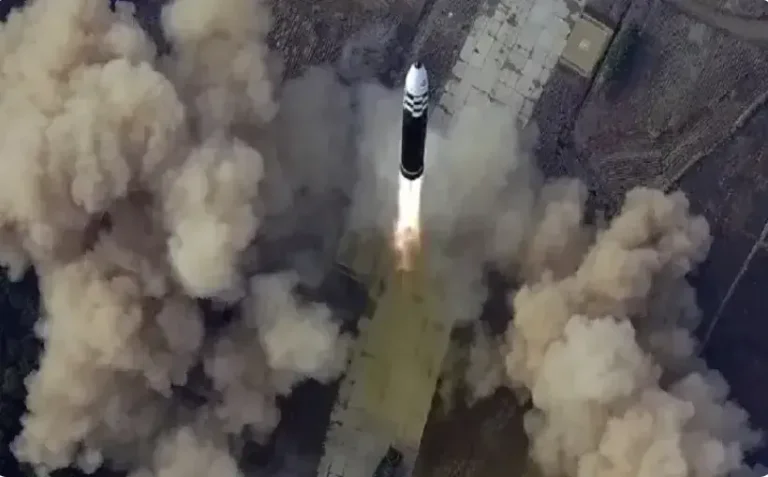
29 will mark the International Day Against Nuclear Tests – a day that calls for a global halt to nuclear testing.
This date was chosen because it is the 50th anniversary of the first nuclear test conducted by the United States.
Over the past fifty years, more than 1000 nuclear tests have been carried out worldwide.
These tests have had devastating consequences not only for those living near nuclear test sites, but also for the environment and human health.
Nuclear testing is a dangerous and irresponsible activity that must be stopped as soon as possible.
The International Day Against Nuclear Tests is an important reminder of the dangers posed by nuclear testing and why it must be stopped.
At the 64th session of the United Nations General Assembly on 2 December 2009, the unanimous adoption of resolution 64/35 proclaimed 29 August the International Day Against Nuclear Tests.
The essence of the resolution was that “every effort should be made to put an end to nuclear tests in order to avert the devastating and harmful effects on the lives and health of people” and that “ending nuclear tests is one of the principal means of achieving the goal of a world free of nuclear weapons.”
The initiative for this day came from the Republic of Kazakhstan, which chose 29 August as the date of observance to link it to the closure of the Semipalatinsk nuclear test site on the same date in 1991.
Related

Curiosities
Jordan Blocks Telegram App After Deadly Church Attack to Prevent Extremism

Curiosities
Don’t Rely Only on Mileage: When Should You Change Your Engine Oil?

Curiosities
1979 Porsche 924 returns to the United Arab Emirates Police fleet

Curiosities
Restaurant in Canada bans children under 15, decision sparks debate

Curiosities
12 curiosities from around the world you shouldn’t miss
Curiosities
Why do mosquitoes prefer some people over others? The reason has been revealed

Curiosities
Father and son break Guinness record playing ‘Hungry Hungry Hippos’ blindfolded

Curiosities
Why Are Highway Direction Signs Green in Some Countries and Blue in Others?

Curiosities
What happens when there is a bomb threat on an aircraft?

Curiosities
NASA Searches for a Secret Underground Cave on the Moon

Curiosities
Wearing boxing gloves and a special costume, this dog became Halloween’s star
Curiosities
After 28 years and 50,000 kilometers, British adventurer Karl Bushby returns home





