
This year, the transition from daylight saving time to winter time will take place overnight between Saturday, October 24, and Sunday, October 25, 2026. The clocks will be turned back one hour, which means we’ll effectively have an extra hour to sleep that night. The time change will […]
Winter time: Here’s when we’ll turn the clocks back one hour this year
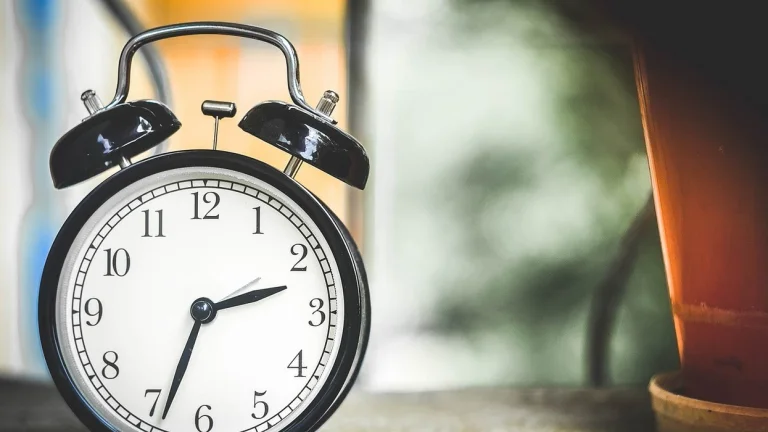
This year, the transition from daylight saving time to winter time will take place overnight between Saturday, October 24, and Sunday, October 25, 2026.
The clocks will be turned back one hour, which means we’ll effectively have an extra hour to sleep that night.
The time change will take place on Sunday, October 25, at 3:00 a.m., when the clocks will be turned back to 2:00 a.m.
Smartphones, computers, and most other internet-connected devices are expected to change the time automatically. Meanwhile, analog clocks and some other devices will need to be adjusted manually.
Turning the clocks back one hour will cause the period from 2:00 a.m. to 3:00 a.m. to repeat. For this reason, the night of October 25 will last one hour longer.
In the days after the time change, the sun will rise and set approximately one hour earlier according to the time shown on clocks. This means mornings will be brighter, while darkness will arrive earlier in the afternoon.
The transition to winter time also marks the adjustment of the schedule to the changing hours of daylight during the cold season. Although we gain an hour of sleep that night, the time change may temporarily affect sleep patterns and daily routines until the body adjusts to the new schedule.
Related

Curiosities
Jordan Blocks Telegram App After Deadly Church Attack to Prevent Extremism

Curiosities
Don’t Rely Only on Mileage: When Should You Change Your Engine Oil?

Curiosities
1979 Porsche 924 returns to the United Arab Emirates Police fleet

Curiosities
Restaurant in Canada bans children under 15, decision sparks debate

Curiosities
12 curiosities from around the world you shouldn’t miss
Curiosities
Why do mosquitoes prefer some people over others? The reason has been revealed

Curiosities
Father and son break Guinness record playing ‘Hungry Hungry Hippos’ blindfolded

Curiosities
Why Are Highway Direction Signs Green in Some Countries and Blue in Others?

Curiosities
What happens when there is a bomb threat on an aircraft?

Curiosities
NASA Searches for a Secret Underground Cave on the Moon

Curiosities
Wearing boxing gloves and a special costume, this dog became Halloween’s star
Curiosities
After 28 years and 50,000 kilometers, British adventurer Karl Bushby returns home





