
Christ is arrested! The story takes place in Seville, in the 16th century, during the Inquisition. He returns to Earth and appears among the people. They recognize him immediately, gather around him, and ask for help. The Grand Inquisitor sees the crowd and orders the guards to arrest him. This elderly cardinal is the most powerful man in the Church in the city. […]
Christ Imprisoned and Our Leaders
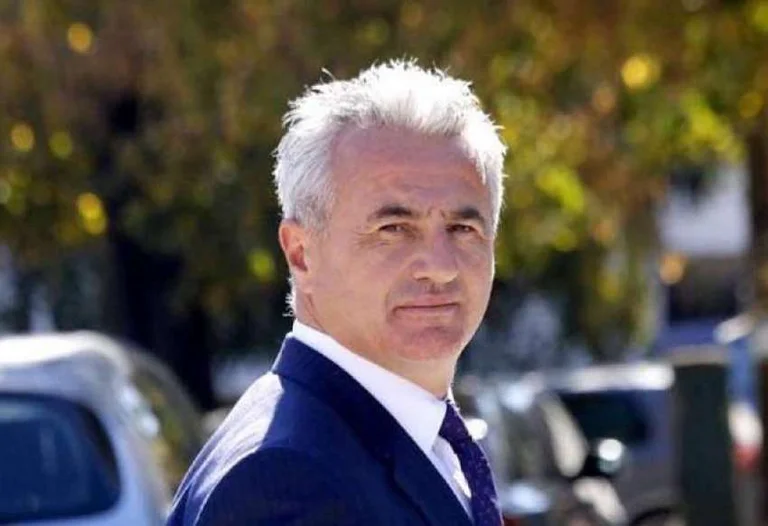
Christ is arrested! The story takes place in Seville, in the 16th century, during the Inquisition. He returns to Earth and appears among the people. They recognize him immediately, gather around him, and ask for help. The Grand Inquisitor sees the crowd and orders the guards to arrest him. This elderly cardinal is the most powerful man in the Church in the city. He decides who should be imprisoned and who should be punished. His word is law.
The people who had gathered around the Messiah just a little earlier now make way for the authorities taking him to prison. Fyodor Dostoevsky imagined this scene in his novel “The Brothers Karamazov.” Ivan Karamazov recounts it to his brother, Alyosha. Christians recognize Jesus as Christ, the Messiah and Savior. For Muslims, he is Isa, the son of Mary, the Messiah and a prophet of God. The story continues in the prison cell, where the cardinal comes to tell Jesus why he has arrested him.
The Inquisitor accuses Christ of giving people too much freedom. He has left them the option of choosing for themselves what is good and what is evil. In his view, people find it difficult to live with this burden. When they make their own decisions, they must also think for themselves, take responsibility, and bear the consequences. Many of them find it easier when someone else tells them what to believe and how to live.
The Church the cardinal represented offered them security. In return, it asked people to listen and not ask questions. This went against the Savior’s teaching. According to this teaching, faith must come from a person’s own will and cannot be imposed by force. We find the same idea in the Quran, too. In Surah Al-Baqarah, verse 256, it says: “There is no compulsion in religion.” A person must be free to believe or not to believe. Only then does their choice have meaning.
This is the conflict between Jesus and the Inquisitor. The Messiah left people free to choose. The cardinal made decisions for them and demanded obedience. Christ’s return threatened his power, because people might begin thinking for themselves again. The paradox is profound: the Church exists thanks to Christ, yet the Inquisitor imprisons him to preserve the Church’s power.
The same paradox appears in politics. A leader receives power from the people, then tries to keep those same people under control in order to rule for as long as possible. He needs people’s votes, but a citizen who thinks for themselves causes trouble. They ask questions, have doubts, demand accountability, and vote differently when disappointed.
In Kosovo, this mindset starts inside the parties themselves. Almost every one of them is built around a leader. The party chair does not always bring in the most capable people. Often, he chooses those who listen to him and do not challenge him. Over time, the whole party begins to look to him. There is no decision without him, no position without him, and no one takes responsibility.
When this logic is carried over to the state, the consequences are paid by those without power. I see this every day in my work. I often have to stand up for someone who has been trampled by someone stronger. The institution that should protect them often stays silent. That is why I say: There is no more wretched place to live than Kosovo. The weak are trampled. The poor are oppressed. And the people just watch the series.
A state that remains silent in the face of the powerful and does not protect the weak loses the reason for its existence.
Related
Opinions
Hello, Albin.
Opinions
Why Does Emotion Overwhelm Logic?!
Opinions
Serbian Nationalism on the EU Stage: Stabilitocracy at Kosovo’s Expense
Opinions
A market without a “guardian”: the vital role of the Competition Authority and the cost of its paralysis in Kosovo
Opinions
Things That Cannot Coexist
Opinions
Speaking and reading Albanian badly has now attained official status in Kosovo
Opinions
The Mirror We Refuse to See Ourselves In
Opinions
The Ohrid Agreement: Normalization Without Recognition and an Endless Dialogue
Opinions
A PDK MP rightly raised concerns today, on World Urbanism Day
Opinions
Kosovo is growing in percentage terms, but remains behind in the economic strength of the Western Balkans
Opinions
The Legal Battle to Defend the KLA Leaders in the Appeals Chambers of the Specialist Chambers
Opinions
USA: The Supreme Power of the Free Vote





