
Overall price increases continued at a rapid pace throughout 2026, creating significant economic uncertainty for Kosovo’s families. Rising fuel prices remain one of the main challenges, not only because of their direct impact on citizens’ pockets, but also because of their knock-on effects across the entire economy. […]
The Rising Cost of Living in Kosovo – Time for Proactive Economic Policies
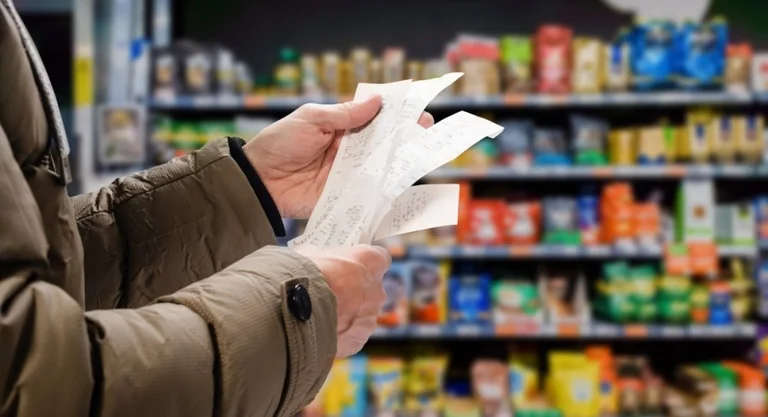
Overall price increases continued at a rapid pace throughout 2026, creating significant economic uncertainty for Kosovo’s families. Rising fuel prices remain one of the main challenges, not only because of their direct impact on citizens’ pockets, but also because of their knock-on effects across the entire economy.
Rising fuel prices directly affect the costs of transport, production, supply and distribution, ultimately feeding through into the prices of the products and services consumed by citizens. In this way, an initial increase in costs becomes a chain of price rises that affects almost every family and sector of the economy.
The 7.3% increase in the consumer price index in September compared with the same month of the previous year demonstrates the ongoing pressure on citizens’ purchasing power. For low- and middle-income families, this means fewer opportunities to afford not only basic needs such as food, energy and housing, but also other expenses that are part of a normal and dignified life.
Economically, this situation is also accompanied by an increase in opportunity costs. When a family is forced to spend more on food, energy and transport, it has to give up other expenses, such as education, healthcare, family activities or savings. Inflation therefore does not only strain the family budget in monetary terms; it also limits citizens’ economic opportunities and choices.
On the other hand, Kosovo’s high trade deficit and considerable reliance on imports make our economy more exposed to price shocks in international markets. When a large share of consumption is covered by imports, rising costs abroad are transmitted to the domestic market, putting additional pressure on prices. Meanwhile, local producers face higher operating costs, difficulties in maintaining competitiveness and challenges in expanding production, while citizens pay increasingly more for the same products and services.
In response to this situation, concrete measures and a genuine development-oriented approach are needed:
1.Indexing wages and pensions to account for inflation and the real increase in the cost of living, so that citizens’ purchasing power is protected.
2.Relief measures for businesses, particularly local producers and small enterprises, to help them cope with operating costs and preserve jobs.
3.Targeted support for families in need, so that public assistance reaches the groups most affected by rising prices.
4.Promoting local production and exports through investment, easier access to financing and policies that enhance the economy’s competitiveness.
5.Replacing imports wherever economically justified, by creating conditions for a larger share of domestic demand to be met by local production.
6.Proactive, long-term economic policies that go beyond simply responding to crises and aim to create a more productive, resilient economy that is less dependent on external shocks.
Kosovo needs not only temporary measures to cope with rising prices, but also a genuine economic strategy that strengthens local production, increases investment, expands exports and creates sustainable development opportunities.
Economic development should not be measured solely by the growth of macroeconomic indicators, but also by improvements in citizens’ well-being, their purchasing power and families’ ability to live with dignity.
A healthy economy is not merely one that produces more, but one that also enables citizens to afford their living costs and have confidence in the future.
Related

Opinions
Hello, Albin.
Opinions
Why Does Emotion Overwhelm Logic?!
Opinions
Serbian Nationalism on the EU Stage: Stabilitocracy at Kosovo’s Expense
Opinions
A market without a “guardian”: the vital role of the Competition Authority and the cost of its paralysis in Kosovo
Opinions
Things That Cannot Coexist
Opinions
Speaking and reading Albanian badly has now attained official status in Kosovo

Opinions
The Mirror We Refuse to See Ourselves In
Opinions
The Ohrid Agreement: Normalization Without Recognition and an Endless Dialogue
Opinions
A PDK MP rightly raised concerns today, on World Urbanism Day
Opinions
Kosovo is growing in percentage terms, but remains behind in the economic strength of the Western Balkans
Opinions
The Legal Battle to Defend the KLA Leaders in the Appeals Chambers of the Specialist Chambers
Opinions
USA: The Supreme Power of the Free Vote





