
Advisory position on the next phase of local government reform in Albania The adoption by the Parliament of Albania of the new administrative-territorial reform, which reduces the number of municipalities from 61 to 46 by merging 15 of them, marks a new phase in a critical process whose success must be demonstrated […]
From Territorial Reform to Real Decentralization in Albania
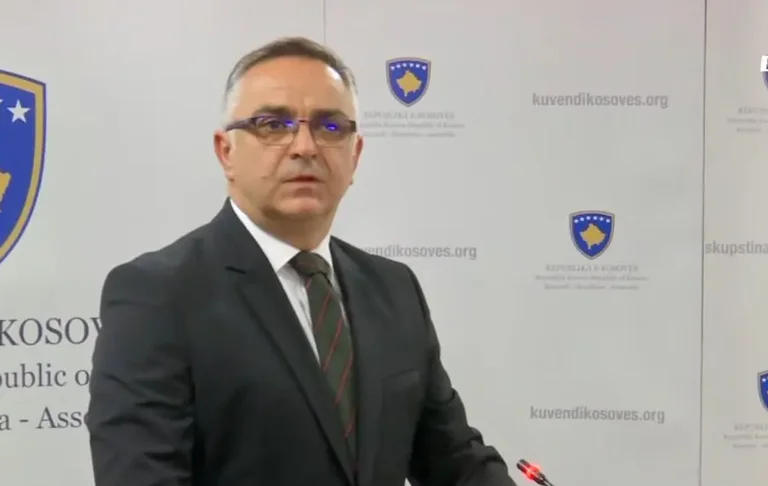
Advisory position on the next phase of local government reform in Albania
The adoption by the Parliament of Albania of the new administrative-territorial reform, which reduces the number of municipalities from 61 to 46 by merging 15 of them, marks a new phase in a critical process whose success must be demonstrated only through its sustainable implementation on the ground.
A simple change to cadastral boundaries or a reduction in the number of municipalities is insufficient in itself. This reorganization, that is, this reform, will remain merely a change on paper unless it is accompanied by major changes, clear responsibilities, additional powers, predictable funding and strong administrative capacities.
Objections from civil society and local communities are to be expected, since citizens do not wish to lose their municipality or the local identity they have built over the years; these concerns should therefore be addressed through transparent consultations, with particular attention to rural and remote areas throughout implementation.
The focus of Parliament, the government and the opposition must urgently shift from changing the map to achieving real decentralization and devolving power from the center to municipalities by transferring powers from the center to local government. In Albania, there is considerable confusion between decentralization as devolved and genuine power and simple administrative deconcentration.
To date, many functions remain within the framework of deconcentration, which means the simple exercise of central government functions in the regions through regional directorates and other agencies. Real decentralization, on the other hand, means the full legal and financial transfer of decision-making authority to mayors and municipal councils, giving them the autonomy they need to make decisions on urban development, territorial planning and local economic development.
For this reform to succeed, the implementation phase must ensure the continuity of public services without creating administrative uncertainty during the transition to the new structures. The transition requires a plan with clear deadlines, as well as precise procedures for the orderly transfer of assets, records, official contracts, financial obligations, digital systems and administrative staff. It is vital to preserve access to local services and an administrative presence in rural areas, so that the merger of municipalities does not move institutions further away from citizens. The new administrations must be supported with guidance, training and sufficient resources, alongside a new legal and procedural framework that ensures sustainable and predictable funding. Meaningful citizen participation, independent performance monitoring through measurable indicators and an objective assessment of the 2014 reform are essential conditions for identifying successful practices and avoiding unresolved challenges.
This transition must also be accompanied by electoral reform that responds to the new territorial developments and ensures the most effective possible democratic representation of citizens at the local level.
I am convinced that, in view of and as part of European integration, empowered local government with genuine autonomy will be far better able to plan local development, prepare high-quality projects and benefit from European Union funds.
Therefore, the success of territorial reform cannot be measured simply by the number and size of municipalities, but above all by their ability to make decisions and act autonomously, by the accountability of local institutions, and by the better and more accessible services that citizens themselves experience in their daily lives.
Related

Opinions
Hello, Albin.
Opinions
Why Does Emotion Overwhelm Logic?!

Opinions
Serbian Nationalism on the EU Stage: Stabilitocracy at Kosovo’s Expense
Opinions
A market without a “guardian”: the vital role of the Competition Authority and the cost of its paralysis in Kosovo

Opinions
Things That Cannot Coexist
Opinions
Speaking and reading Albanian badly has now attained official status in Kosovo

Opinions
The Mirror We Refuse to See Ourselves In
Opinions
The Ohrid Agreement: Normalization Without Recognition and an Endless Dialogue
Opinions
A PDK MP rightly raised concerns today, on World Urbanism Day
Opinions
Kosovo is growing in percentage terms, but remains behind in the economic strength of the Western Balkans
Opinions
The Legal Battle to Defend the KLA Leaders in the Appeals Chambers of the Specialist Chambers
Opinions
USA: The Supreme Power of the Free Vote





