
In the Foreign Policy address of the Prime Minister of the Kurti 4 Government, I think this is a structure of an elementary and basic nature, more characteristic of a novice diplomat than of a genuine concept for this key pillar of state policy. The address does not adequately address a consolidated Foreign Policy, important strategic partnerships, or convergence with the national strategies of the defining diplomacies of the Global North or the Western Hemisphere. […]
Observations on the Foreign Policy Address
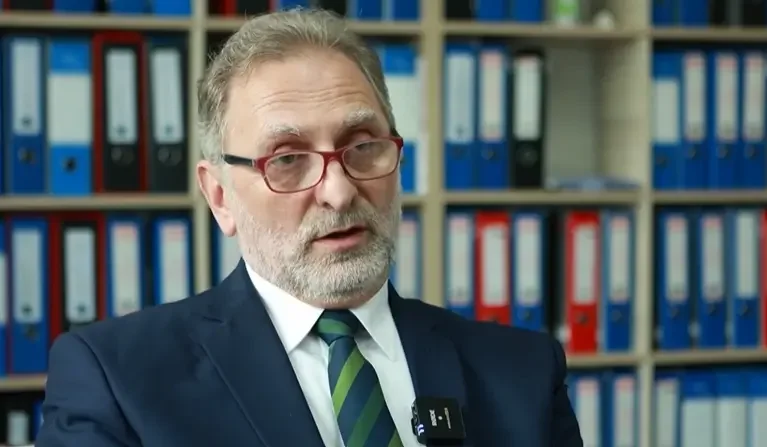
In the Foreign Policy address of the Prime Minister of the Kurti 4 Government, I think this is a structure of an elementary and basic nature, more characteristic of a novice diplomat than of a genuine concept for this key pillar of state policy. The address does not adequately address a consolidated Foreign Policy, important strategic partnerships, or convergence with the national strategies of the defining diplomacies of the Global North or the Western Hemisphere.
The process of securing new recognitions, as well as the recognition of Kosovo passports, are multidimensional undertakings that require coordination, active diplomacy, and close cooperation with friendly countries and strategic partners.
Kosovo’s recognition by the five EU member states that have yet to recognize its statehood requires Kosovo to fulfill and assume its international responsibilities. These responsibilities would pave the way for Kosovo’s return as a credible, trusted, and predictable state actor in international relations.
Kosovo was not mentioned as a separate topic at the meeting of EU countries in Ireland, which may also be linked to the fact that it still does not sufficiently meet some of the fundamental conditions related to the Acquis Communautaire. These include, among other things, political instability, failure to respect or insufficient implementation of the legal framework, economic uncertainty, and insufficient treatment of non-majority communities.
I think an important priority of Kosovo’s Foreign Policy should be to focus diplomacy on the process of membership in the Council of Europe. Such membership would open up broader institutional and diplomatic space for Kosovo to advance toward other international accessions and strengthen its international subjectivity. Naturally, this path requires serious and sustained commitments to fulfilling international responsibilities.
In this context, the dispatch of security, economic, and cultural attachés to important chancelleries and diplomatic missions is an undertaking that can hardly be properly carried out without first establishing the necessary legal and institutional basis.
A unified law on the Foreign Service, which would replace the four laws and regulations currently in force, which in certain respects conflict with one another, would enable the creation of a clearer and more functional framework for Kosovo’s Foreign Policy. Such a legal basis would enable Kosovo’s diplomacy to confront in a more structured way the changing paradigms of international relations and the process of shaping the New World Order.
Related

Opinions
Hello, Albin.
Opinions
Why Does Emotion Overwhelm Logic?!
Opinions
Serbian Nationalism on the EU Stage: Stabilitocracy at Kosovo’s Expense
Opinions
A market without a “guardian”: the vital role of the Competition Authority and the cost of its paralysis in Kosovo

Opinions
Things That Cannot Coexist
Opinions
Speaking and reading Albanian badly has now attained official status in Kosovo

Opinions
The Mirror We Refuse to See Ourselves In
Opinions
The Ohrid Agreement: Normalization Without Recognition and an Endless Dialogue

Opinions
A PDK MP rightly raised concerns today, on World Urbanism Day
Opinions
Kosovo is growing in percentage terms, but remains behind in the economic strength of the Western Balkans
Opinions
The Legal Battle to Defend the KLA Leaders in the Appeals Chambers of the Specialist Chambers
Opinions
USA: The Supreme Power of the Free Vote





