
Seven years in politics, seven years of systematic blocking of Facebook accounts. 7 × 365 days, with 10–15 blocks a day, means around 25–38 thousand accounts blocked. This no longer looks like individual behavior on social networks, nor civic political activism, but rather like an organized mechanism for controlling public space. […]
Virtual propaganda has weakened citizens’ ability to distinguish fact from propaganda
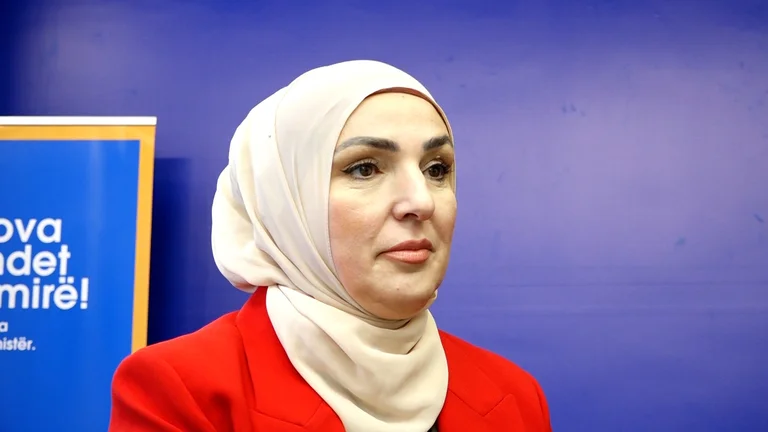
Seven years in politics, seven years of systematic blocking of Facebook accounts.
7 × 365 days, with 10–15 blocks a day, means around 25–38 thousand accounts blocked. This no longer looks like individual behavior on social networks, nor civic political activism, but rather like an organized mechanism for controlling public space.
The justice and security institutions, the Prosecution and the KIA, within their legal competencies, should investigate whether coordinated structures, sources of funding, fake accounts and organized influence operations are behind this virtual “enterprise.”
Because this is now about a virtual army that may have manipulated and redirected the public narrative: by silencing opponents, lynching critics, fabricating the perception of massive support and presenting party propaganda as the will of the citizens.
When propaganda is organized, financed and used to distort public debate, we are dealing with organized manipulation of public opinion and a threat to democracy.
The consequences are already visible: anti-state, anti-constitutional, anti-American and anti-KLA narratives have been fueled; false perceptions have been created about the “liberation” of the north and the “fight against corruption”; while institutional failures have been covered up with propaganda, labels and imaginary enemies.
This planned operation, spread from one end to the other, has polarized society, damaged trust in institutions and weakened citizens’ ability to distinguish fact from propaganda. Even more alarming is the possibility that people within the sectors responsible for protecting the democratic order have fallen under the influence of these narratives and are pushing them forward.
The virtual army is not simply noise on Facebook. It appears to be an instrument of power, pressure and capture of public opinion. Therefore, institutions must respond: identify the networks, funders and coordination mechanisms, and determine how much and in what way the law, national security and the constitutional order have been violated.
Democracy today must also be defended in the digital space. Because in the digital space, for years, an organized war has been waged for the minds, perceptions and political will of citizens. This is an ALARM for the security agencies, and not only them!
Related

Opinions
Hello, Albin.
Opinions
Why Does Emotion Overwhelm Logic?!
Opinions
Serbian Nationalism on the EU Stage: Stabilitocracy at Kosovo’s Expense
Opinions
A market without a “guardian”: the vital role of the Competition Authority and the cost of its paralysis in Kosovo

Opinions
Things That Cannot Coexist
Opinions
Speaking and reading Albanian badly has now attained official status in Kosovo

Opinions
The Mirror We Refuse to See Ourselves In
Opinions
The Ohrid Agreement: Normalization Without Recognition and an Endless Dialogue
Opinions
A PDK MP rightly raised concerns today, on World Urbanism Day
Opinions
Kosovo is growing in percentage terms, but remains behind in the economic strength of the Western Balkans
Opinions
The Legal Battle to Defend the KLA Leaders in the Appeals Chambers of the Specialist Chambers
Opinions
USA: The Supreme Power of the Free Vote





