
The tomb of Tutankhamun, the young pharaoh and icon of Egyptology, has undergone restoration to reduce as much as possible the damage caused by the influx of tourists. The results of the Egyptian-American work, carried out by the Getty Conservation Institute, were officially presented today, with the aim of reducing the impact of scratches, dust and […]
Tutankhamun’s Tomb Is Restored
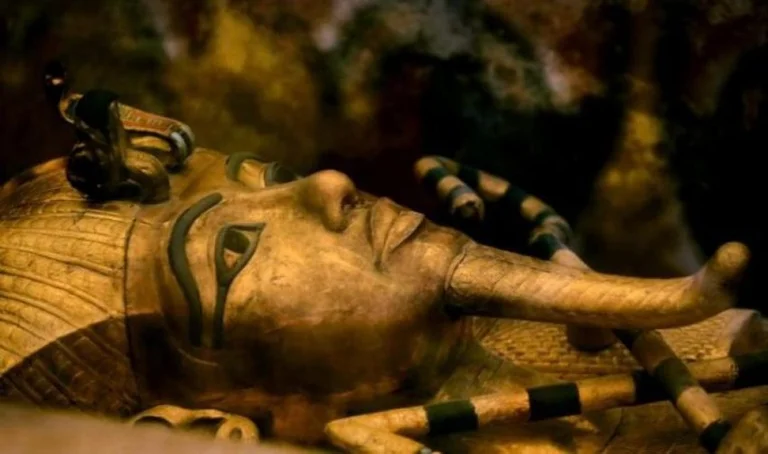
The tomb of Tutankhamun, the young pharaoh and icon of Egyptology, has undergone restoration to reduce as much as possible the damage caused by the influx of tourists.
The results of the Egyptian-American work, carried out by the Getty Conservation Institute, were officially presented today, noting that the aim was to reduce the impact of scratches, dust and mold encouraged by the humidity created by the influx of tourists, ATSH reports.
Tutankhamun (14th century BCE) became pharaoh while still a child and died at the age of 18.
His tomb was found intact in 1922 by English archaeologist Howard Carter in Luxor, on the left bank of the Nile, and his mummy wore on its head the most famous object in Egyptian iconography: the mask cast in gold.
Tutankhamun’s tomb was located in the Valley of the Kings, the burial ground of the pharaohs, and in addition to the mask, it contained more than 5,000 other precious objects, including three sarcophagi.
Related
History
What Lincoln and the technological revolution he led can teach us today
History
Exhibition “Luigj Gurakuqi in the Documents of the Central State Archive” Opens, Honoring His Contribution to Albanian National History
History
1941: When leaders of the Sanjak regions sought protection from Tirana
History
Was King Arthur, after all, real?
History
The 1973 oil crisis forced Nixon to rethink time
History
The Life and Work of Murat Bey Toptani
History
The Forgotten Photograph That Rewrites the History of the Second World War
History
The Pastor Who Saw Hiroshima Burning

History
An American physicist’s account of the atomic bombing of Nagasaki
History
Albania Judged by an English Lady
History
John Kantakouzenos’ Campaigns Against the Albanians
History
Albania as Judged by an Englishwoman





