
The ancient Roman city of Pompeii, a UNESCO World Heritage Site since 1997, was “buried” by the eruption of Mount Vesuvius in 79 AD, and in the early third century Emperor Alexander Severus (who ruled between 222 and 235) tried to bring it back to light, but the project was […]
When Were the Remains of Pompeii Discovered?
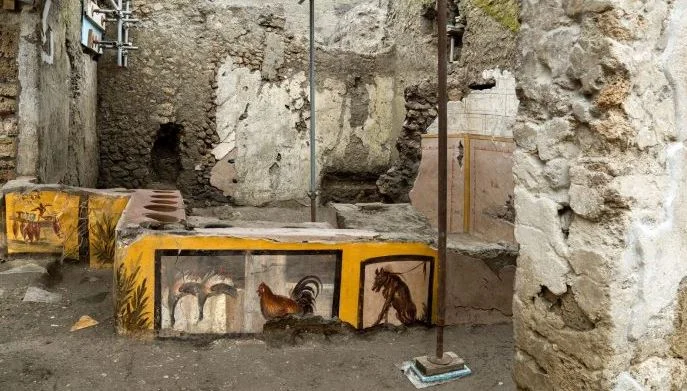
The ancient Roman city of Pompeii, a UNESCO World Heritage Site since 1997, was “buried” by the eruption of Mount Vesuvius in 79 AD, and in the early third century Emperor Alexander Severus (who ruled between 222 and 235) tried to bring it back to light, but the project was abandoned because of the thick layer of ash and lapilli, writes focus.it.
Many centuries later, between 1594 and 1600, during the construction of a water channel, some workers found the remains of buildings, inscriptions and coins from the Roman era.
However, no one connected these finds with the events at Pompeii.
Modern excavations began in 1748 by order of Charles of Bourbon (King of Naples from 1734 to 1759).
However, these initial investigations were not scientific.
The investigative method used involved digging long underground tunnels (the so-called “Bourbon tunnels”). This approach was dictated by the sovereign’s desire: to recover finds and works of art to be collected in the museum at the Royal Palace of Portici.
Later, in the 19th century, Carolina Bonaparte, Napoleon’s sister and the wife of Gioacchino Murat (who was entrusted with leading the Kingdom of Naples in 1808), and a great lover of archaeology, accelerated the excavation work, making important discoveries possible.
Carolina Bonaparte was passionate about archaeology and took the excavations very seriously.
She increased the number of workers and diggers and encouraged them with regular financial rewards, while the new manager, antiquarian Michele Arditi, replaced the technique of digging random holes in search of rare objects with a rational excavation plan that followed the streets, house by house.
Related
History
What Lincoln and the technological revolution he led can teach us today
History
Exhibition “Luigj Gurakuqi in the Documents of the Central State Archive” Opens, Honoring His Contribution to Albanian National History
History
1941: When leaders of the Sanjak regions sought protection from Tirana
History
Was King Arthur, after all, real?
History
The 1973 oil crisis forced Nixon to rethink time
History
The Life and Work of Murat Bey Toptani
History
The Forgotten Photograph That Rewrites the History of the Second World War
History
The Pastor Who Saw Hiroshima Burning

History
An American physicist’s account of the atomic bombing of Nagasaki
History
Albania Judged by an English Lady
History
John Kantakouzenos’ Campaigns Against the Albanians
History
Albania as Judged by an Englishwoman





